


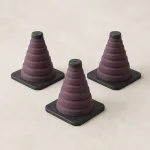
Collapsible Care-Washing Zone Marker Cones, 3-Pack
August 14, 2026
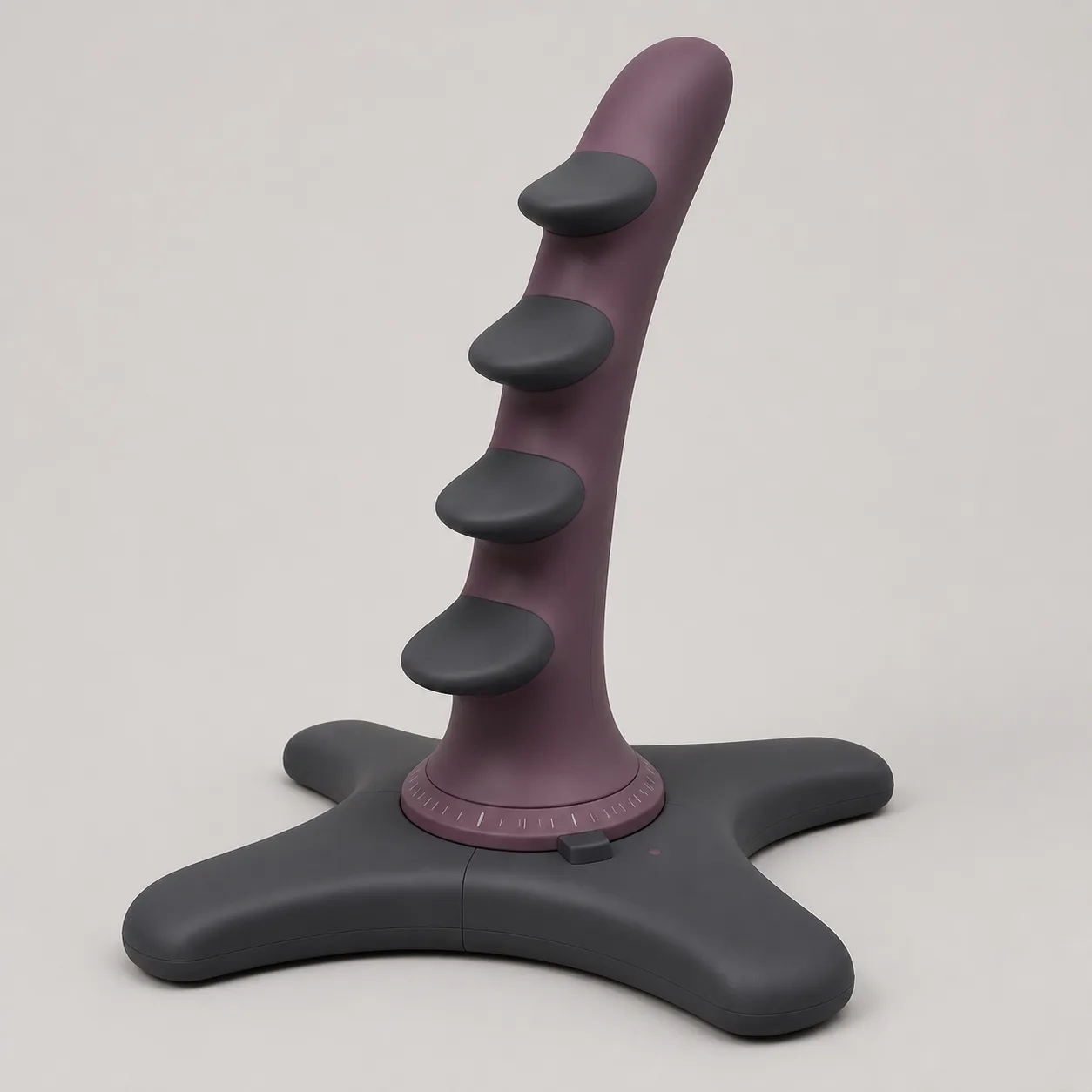
WINGPOW BD03-13 Pressure-Sensitive Wand: Five Colours
August 14, 2026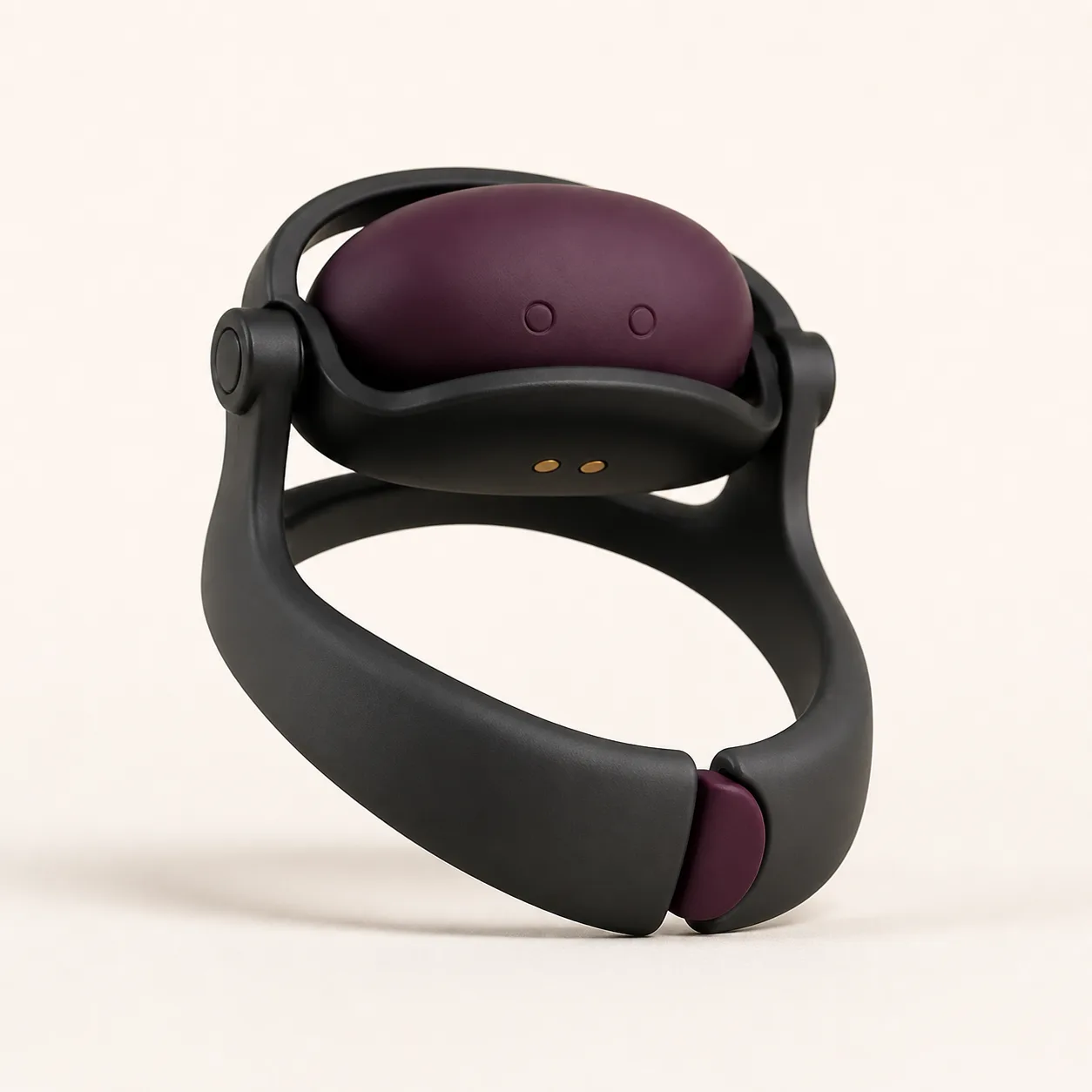
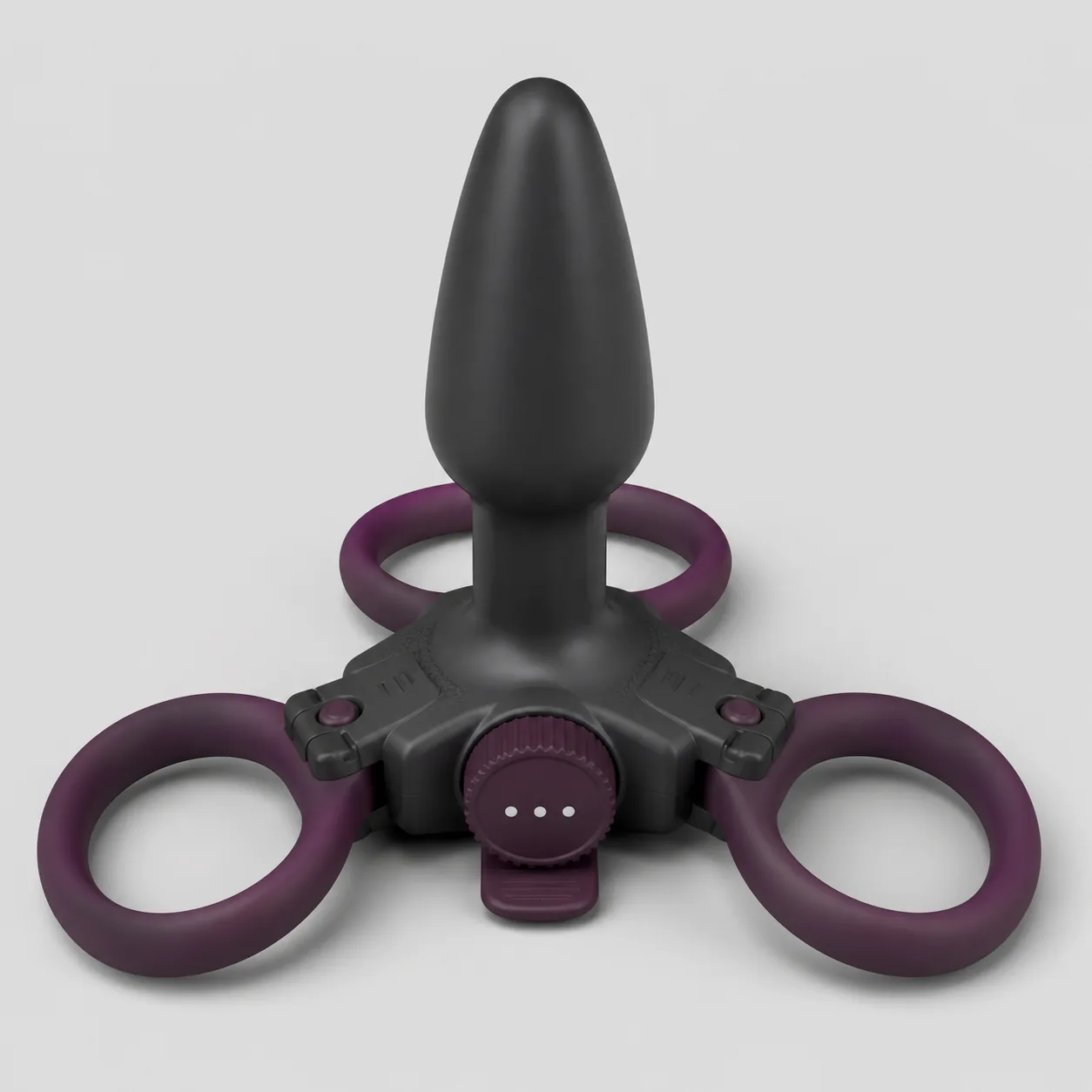
Dual-Axis Gimbal-Pod Couples Ring with Split Quick-Latch Loop
A rechargeable couples ring concept with a broad split quick-latch loop and one oval contact pod captured in a guarded two-axis gimbal cradle.
34,99 $
200 in stock
A floating pod follows two limited axes
This gimbal pod couples ring concept suspends one oval rechargeable contact pod in a guarded cradle above a broad split loop. Separate horizontal pivots and a perpendicular tilt yoke are intended to provide small, bounded movement while hard stops prevent unrestricted rotation.

The image does not establish fit, stretch, gimbal range, pressure, vibration, material or ingress protection.
Inventory the loop, cradle and pod separately
Request drawings and a bill of materials for the flexible loop, latch halves, release tab, hinge or living joint, cradle arms, first-axis pins, second-axis yoke, bushings, end stops, pod shell, motor, controller, battery, buttons, contacts, pigments, lubricants and adhesives.
Confirm whether the pod is permanently captured; no user-detachable motor module is assumed.
Measure the complete open and closed geometry
Record loop internal dimensions, cross-section, opening gap, latch overlap, release reach, pod length, width and height, cradle clearance, axis offsets, pin diameter and the distance from the loop centerline to every pod edge.
Measure neutral, maximum pitch and maximum roll positions rather than inferring travel from the cradle shape.
Map pitch travel and hard stops
Move the empty pod through its first axis on an instrumented fixture. Record angular range, starting force, running friction, end-stop contact, rebound, side play and any contact between the pod and cradle arms.
Reject a stop that deforms, sticks or lets the pod cross into an unguarded gap.
Map roll travel as a separate axis
Repeat the same measurements around the perpendicular yoke while holding pitch neutral. Check left-right symmetry, bushing drag, pin migration and whether roll movement changes access to buttons or contacts.
Two-axis freedom should not be reported as unrestricted movement.
Challenge combined diagonal movement
Use a compliant fixture to move pitch and roll together within documented limits. Observe corner binding, cradle twist, stop overlap, pod lift, shell rubbing and whether one axis locks the other.
Record the reachable envelope so the most extreme diagonal position remains predictable.
Inspect guarded gaps for pinch and residue
Probe around pins, yoke edges, cradle arms, end stops, pod seams and the loop-to-cradle junction with standardized soft film, hair and textile fixtures across the full movement envelope.
Reject closing gaps, sharp rims, exposed axles or cavities that cannot be seen, wiped and dried.
Verify split-latch seating before contact
Close the clean, dry, unloaded loop slowly and quickly, then inspect overlap, tab position and seam alignment. Measure closing force, release force, false-seat resistance and opening time with dry and damp gloved hands.
A partial latch, hidden tab, delayed release or sharp seam excludes the sample from fit testing.
Map loop stretch without loading the pod
Use traceable cylindrical fixtures across the intended range to record circumference, radial force, deformation, recovery and permanent set. Hold only the loop during installation and removal so the gimbal is not used as a pull handle.
Exclude any fit that causes excessive pressure, latch gaping, cradle rotation or difficult immediate release.
Compare pod contact under controlled load
Run the device against a compliant instrumented surface at neutral and selected gimbal angles. Record contact area, pressure distribution, vibration transfer, motor current, noise and movement toward the hard stops.
Stop if the pod jams, the cradle levers the loop or pressure concentrates at a shell edge.
Use only within a verified fit range, keep the plum release tab visible and check comfort, warmth, color, sensation and movement at short documented intervals. Remove immediately after use rather than wearing unattended.
Stop for pain, numbness, tingling, coldness, swelling, color change, loss of sensation, latch movement, pod binding or difficulty reaching the tab.
Audit controls, charging and temperatures
Document button functions, press duration, lockout, setting memory, low-battery indication, contact polarity, cable specification, charger input, charge time, runtime and operation during charging.
Measure pod, cradle, loop junction, battery and contact temperatures in free air and under verified compliant load at several gimbal angles.
Cycle both pivots with the latch assembly
Run controlled pitch, roll, combined-diagonal, loop-open, latch-close and powered-load cycles. At intervals inspect pins, bushings, yoke, stops, cradle, pod seams, loop, latch and release tab.
Track friction, free play, stop angle, vibration, temperature, latch force and loop recovery as well as visible wear.
Verify materials across moving and contact parts
Obtain exact formulations for the loop, pod skin, shell, cradle, pins, bushings, stops, latch, tab, coatings, pigments, lubricants and adhesives. Request restricted-substance, skin-contact, electrical and battery evidence for the ordered revision.
Silicone, body-safe, medical-grade, hypoallergenic, waterproof and submersible claims remain unconfirmed without exact-model evidence and sample testing.
Clean the cradle in neutral and limited angles
Power off, open the loop and wipe the pod, cradle arms, pins, yoke, stops, guarded gaps, loop surfaces, latch, tab, controls and charging contacts. Move the pod only within its designed envelope to expose accessible surfaces.
Immersion, boiling, alcohol, bleach, oil in the pivots and mechanism disassembly require specific compatibility evidence. Dry gaps and contacts completely before charging.
Price the gimbal above a fixed-pod ring
An Alibaba rechargeable full-surface vibrating couples ring currently shows USD 5.90-6.53 with an MOQ of 16. It is a category benchmark only and does not confirm this dual-axis gimbal, split quick latch or approved supplier.
The procurement reference supports an EUR 34.99 planning price after allowing for China-origin freight, two-axis geometry, diagonal binding, pinch-gap inspection, latch and fit testing, loaded contact mapping, pivot and loop cycle life, electrical and thermal review, material documentation, cleaning validation, protective packing and discreet fulfillment. Exact quotation, packed dimensions, weight, freight, duty, tax, insurance, payment fees and delivery terms remain pending.
Frequently asked questions
Does the pod rotate freely?
No. Both axes require measured limited travel and positive hard stops.
Can the pod be detached for charging?
No detachable pod is assumed; charging uses the illustrated contacts and the confirmed cable specification.
Should the gimbal be pulled to open the loop?
No. Use the loop latch and release tab without loading the cradle or pod.
Can the latch be opened immediately?
It must remain visible and accessible, but exact dry and damp release force and time require sample validation.
Is the product suitable for long wear?
No unattended or prolonged-wear claim is included; verified fit and frequent circulation checks are required.
Which faults require retirement?
A migrating pin, cracked yoke, broken stop, binding pod, enlarged gap, loose cradle, partial latch, torn loop, unusual heat, battery swelling, corrosion or residue beyond cleaning access.
Reviews
There are no reviews yet.