


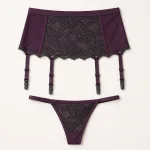
Four-Strap Scallop-Lace Garter Belt and Thong Set
August 14, 2026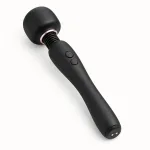
WINYI WY0543 Flexible-Head Cordless Wand Massager
August 14, 2026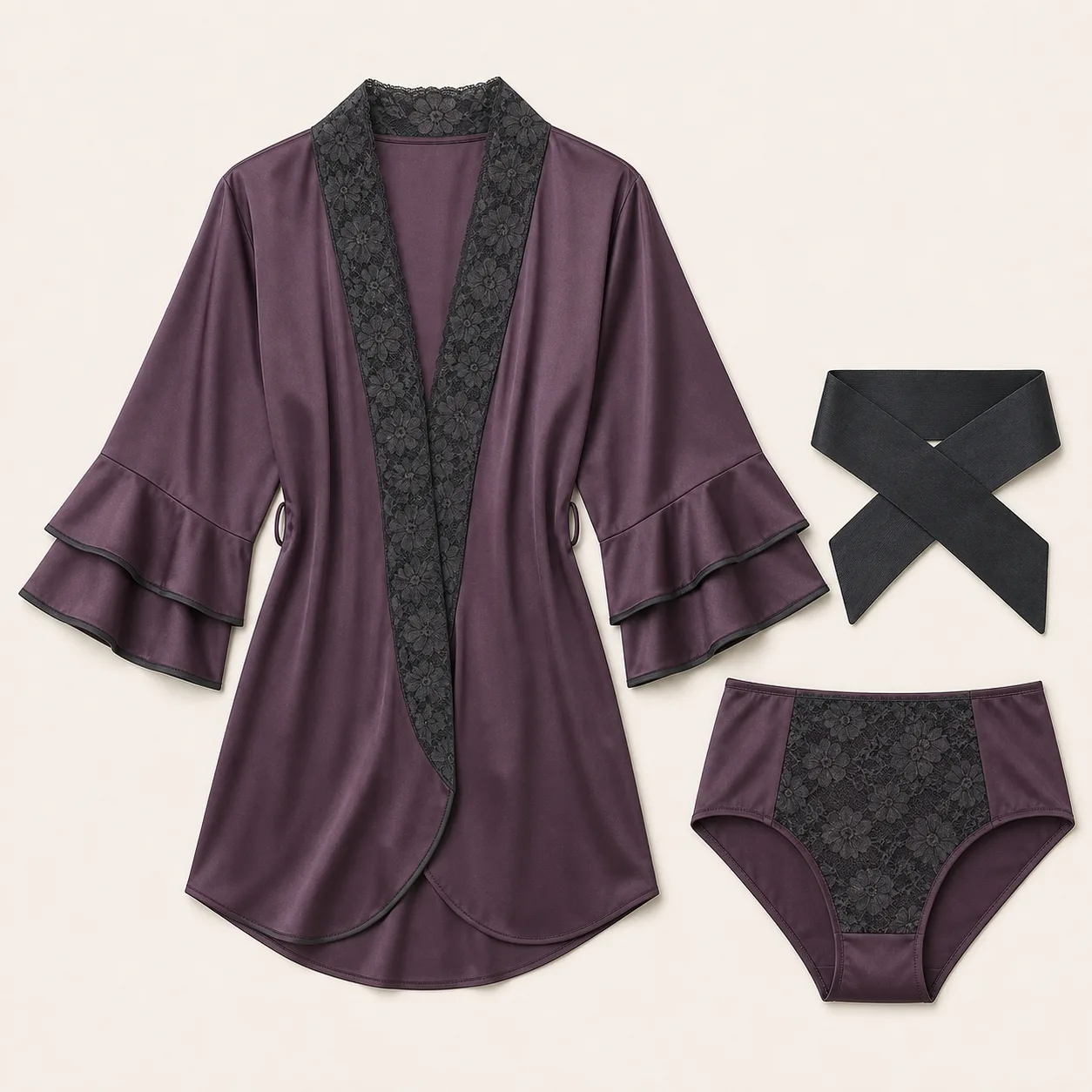
Two-Tier Flounce-Sleeve Satin-Look Kimono Robe with Floral-Lace Shawl Collar, Wide Obi Belt and High-Waist Brief
A smoky-plum three-piece lingerie concept with a short wrap robe, two stacked flounces on each sleeve, floral-lace shawl collar, separate wide obi belt and high-waist brief.
48,99 $
200 in stock
Frame a short kimono robe with four visible sleeve flounces
This two-tier flounce-sleeve kimono robe set combines one smoky-plum wrap robe, one separate wide charcoal obi belt and one high-waist brief. Each of the robe’s two sleeves ends in two stacked flounce tiers, while a continuous floral-lace shawl collar and a curved hem define the front.

The rendering establishes the proposed three-piece inventory and visual arrangement only. Fibre content, sizes, opacity, fit and care remain pending approved samples.
Keep the inventory to exactly three separate pieces
The planned set contains one open-front robe, one separate obi-style belt and one high-waist brief. A bra, stockings, garters, slippers, jewellery, hanger and storage bag are excluded unless a signed packing list states otherwise.
Picking checks should confirm all three pieces share the same size and approved plum colour lot.
Grade the wrap front for controlled overlap
Record robe chest width, shoulder span, centre-back length, front edge length and overlap at the bust, waist and high hip for every size. Assess standing, sitting and reaching positions so the front does not open unexpectedly or pull the collar out of alignment.
No universal coverage or one-size claim is made.
Run one floral-lace shawl collar around the neckline
Measure the continuous collar from centre back to both lower front points, including width, seam allowance and motif placement. Inspect the join at the back neck and the transition into the curved front hem for twisting or exposed edges.
Lace fibre, softness, transparency and snag resistance remain unverified.
Build two stacked flounce tiers on each sleeve
Each three-quarter sleeve carries one upper and one lower flounce, for four visible tiers across the robe. Publish tier depth, circumference, overlap and charcoal edge width by size, then test whether the layers tangle or invert during movement.
The flounces are integral garment panels, not detachable cuffs.
Balance wide sleeves against shoulder and arm mobility
Grade bicep opening, elbow clearance, sleeve length and armhole depth. Test reaching forward and overhead so the robe body does not lift excessively and the lower flounce stays clear of the belt loops.
Mobility and fit claims require wear trials across the planned size range.
Curve the mid-thigh hem without claiming a fixed length
Measure centre-front, side and centre-back lengths from consistent landmarks. Confirm left-right symmetry, binding tension and front overlap after conditioning and wash tests.
Displayed length is relative to the garment only; wearer height and proportions change where the hem sits.
Position two small belt loops as guides
Specify loop placement, opening, thread, seam reinforcement and pull strength. The loops should guide the separate belt without becoming hard pressure points or tearing the robe shell during tying and movement.
Loop count and placement must be confirmed on production samples.
Tie the separate wide obi belt without hidden hardware
Measure total length, maximum width, tapered-end length, layer count and edge finish. Verify that the belt can be tied securely at different waist positions without a buckle, hook or concealed rigid insert.
The belt is a fashion closure and must not be used for restraint or breathing restriction.
Pair one high-waist brief with a centred lace panel
The proposed brief places one broad charcoal floral-lace panel at centre front with smoky-plum side and rear sections. Grade waist, high hip, low hip, front rise, back rise and leg openings independently of robe dimensions.
Rear coverage, lining, stretch and opacity remain pending supplier specifications and fittings.
Publish a coordinated garment measurement table
Condition samples before flat measurements and record the tension used for stretch ranges. Link robe chest, shoulder, armhole, sleeve and length data with belt dimensions and brief waist, hip and rise measurements for each set size.
State tolerances and offer size guidance only after graded samples are compared on multiple adult fit models.
Verify sheen fibres lace and elastics by component
Request composition, fabric mass, weave or knit, finish chemistry and colour standards for robe shell, lace collar, flounce edging, belt, brief panels, elastics, gusset, thread and labels. Test dry and damp dye transfer against pale fabrics.
Satin, silk, polyester, elastane, latex-free, hypoallergenic and sustainable claims remain withheld without traceable evidence.
Inspect seams tiers loops gusset and colour lot
Check shoulder seams, armholes, both tiers on each sleeve, collar attachment, curved hem, both belt loops, belt edges, brief elastic and gusset seams. Compare colour under consistent lighting because sheen can exaggerate lot variation.
Broken stitches, rough lace, damaged elastic, loose loops or dye transfer are stop-use conditions.
Set care storage and pre-wear checks after wash trials
Test whether the belt should be removed and the robe placed in a wash bag before any approved cleaning cycle. Record water temperature, detergent, drying method, shrinkage, colour change, surface snagging and flounce deformation.
Store the three dry pieces together without crushing the collar or sleeve tiers. This adult fashion set is not protective equipment or a medical garment.
Price from robe-set benchmarks and landed apparel reserves
An Alibaba robe-lingerie-set page displayed a four-piece satin-and-lace category reference at USD 3.96 to 4.29 with MOQ 3 and a sheer robe-set reference at USD 7.50 to 8.00 with MOQ 2. These are broad examples, not quotations for this three-piece two-tier design or approved suppliers.
The public procurement benchmark supports an EUR 48.99 planning price after provisional allowance for China-origin freight, graded samples, four-flounce construction, collar and loop inspection, separate belt and brief picking, fibre, colourfastness and wash testing, discreet fulfilment and expected apparel handling loss. Exact supplier, quote, MOQ, sizes, fibres, packed weight, freight, duty, tax, certification, payment terms, lead time and production availability remain pending.
Frequently asked questions about the flounce-sleeve robe set
How many pieces are included?
The proposed set contains one robe, one separate wide belt and one high-waist brief.
How many flounce tiers are on the sleeves?
Each sleeve has two stacked tiers, creating four visible flounces across the robe.
Is the belt attached to the robe?
No. It is a separate wide tie belt guided by two proposed robe loops.
Is the fabric real satin?
The image shows a satin-like sheen, but fibre, weave and finish claims remain pending evidence.
Does the brief include a gusset?
Gusset layers, fibre content and seam construction remain pending the final specification.
Can the three pieces be machine washed?
No care method is published until the shell, lace, edging, belt, elastics and colour complete wash validation.
Reviews
There are no reviews yet.