


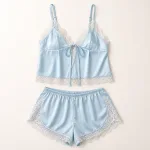
Powder-Blue Satin Cami and Shorts Set with White Scalloped Lace and Centre Tie
August 14, 2026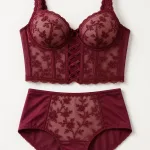
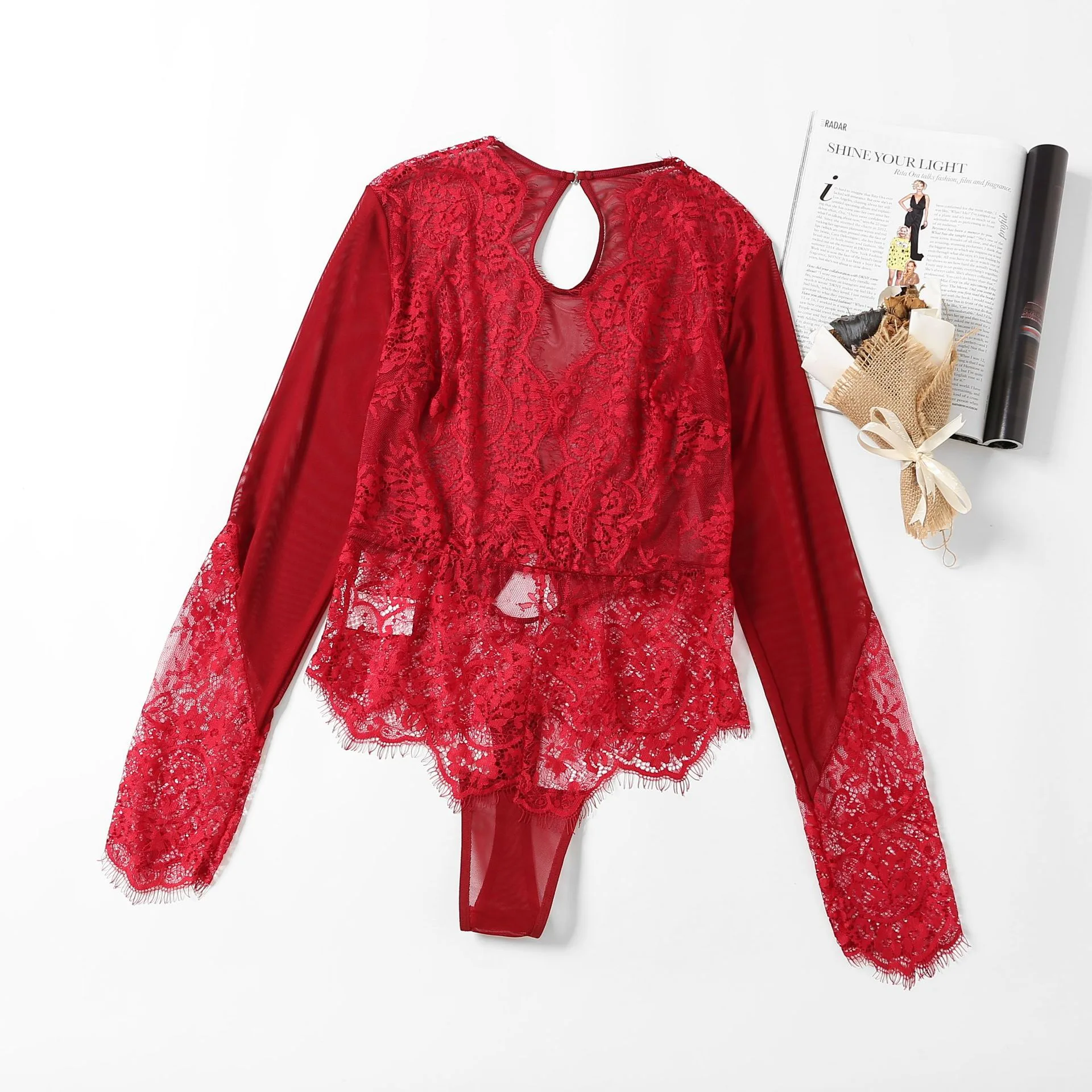
SMOOTH JM930 Wine-Red Embroidered Longline Bra and Brief Set: 0XL-5XL
August 14, 2026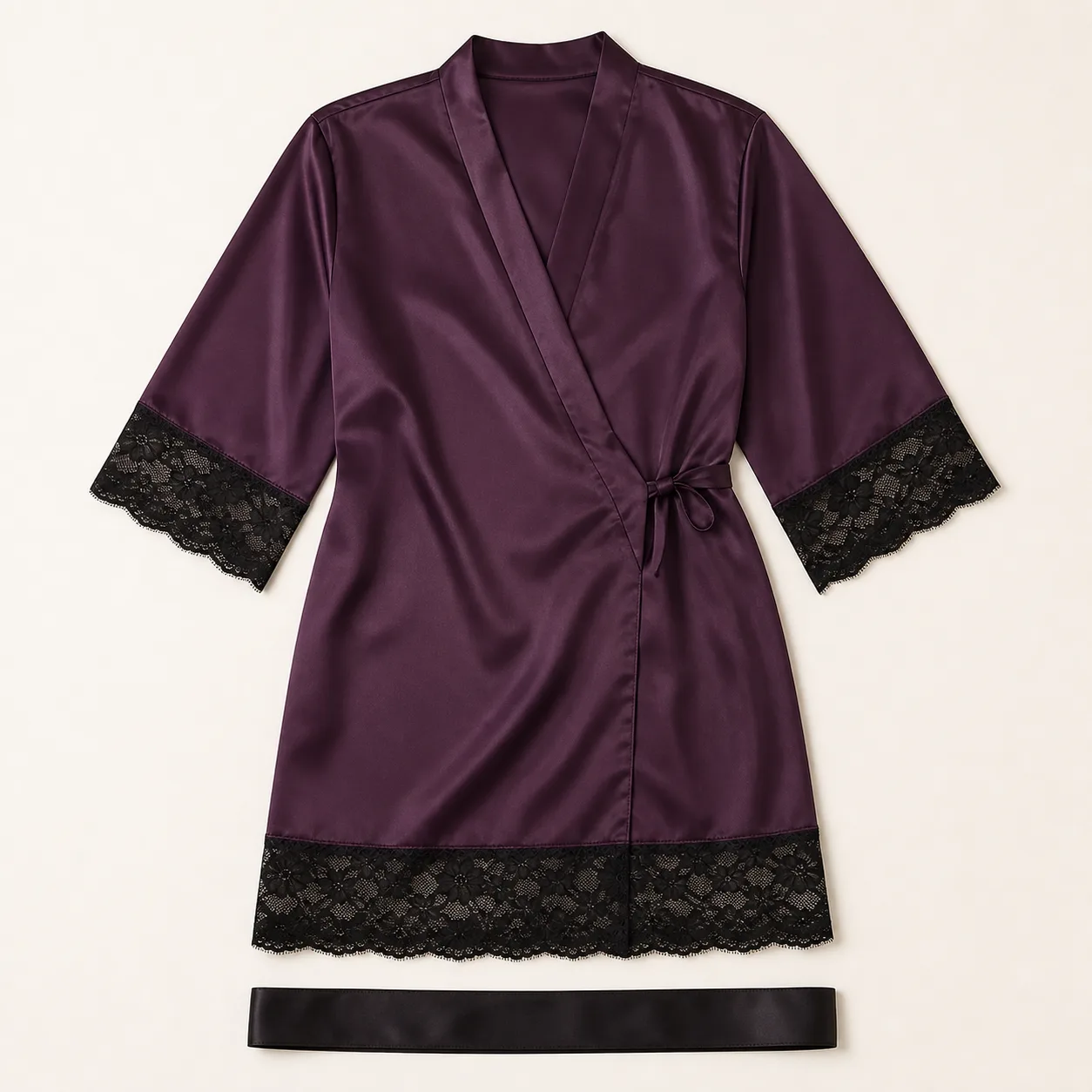
Three-Band Lace-Trim Satin Wrap Robe
A deep smoky-plum satin wrap-robe concept with two three-quarter sleeves, three separate black floral-lace trim bands, an internal tie and a separate sash.
44,99 $
200 in stock
Frame smoky-plum satin with three black lace bands
This three-band lace-trim satin wrap robe concept uses exactly three separate black floral-lace trim zones: one at each three-quarter sleeve cuff and one continuous band across the lower hem. A deep smoky-plum wrap body, discreet internal tie and separate black sash complete the single-robe design.

The image establishes visual intent only. It does not confirm graded sizes, fibre content, fabric weight, opacity, lace composition, dye accuracy, stitch specification, fit or production readiness.
Confirm the robe and sash pack inventory
The proposed pack contains one wrap robe and one detachable sash. Underwear, stockings, slippers, jewellery, hangers and display props are not included.
An approved packing sheet should identify the robe, sash, size label, fibre declaration, care label, lot code and any protective tissue separately.
Grade length width and overlap from fixed datums
Measure back neck to hem, shoulder width, bust and hip sweep, front-panel width, minimum wrap overlap, sleeve length, bicep width, cuff opening and sash length for every offered size. Publish finished-garment measurements with tolerances rather than body-size guesses.
Rendered proportions cannot establish knee length or coverage on a wearer.
Inspect the V wrap and internal tie path
Trace both front edges from collar to hem, then measure overlap at the bust, waist and hip on graded forms. Audit the internal tie anchor, tie length, knot security and local reinforcement without applying excessive tension.
Reject twisting facings, exposed seam allowances, weak tie anchors or an overlap that opens outside its intended fit range.
Audit each lace zone as a separate component
Label the left cuff band L1, right cuff band L2 and continuous hem band L3. Record width, motif repeat, stretch direction, scallop depth, join position and shade, then compare symmetry across the garment.
Inspect for broken mesh, loose floral threads, uneven scallops, abrasive edges, puckering and satin caught inside lace seams.
Compare satin hand drape and opacity
Request fabric mass per square metre, thickness, weave, fibre percentages, stretch, recovery, gloss and measured opacity under standard lighting. Review drape on neutral forms without assuming the rendered sheen matches production.
Terms such as silk, silk-like, breathable or premium remain unavailable without exact composition and performance evidence.
Measure sleeve balance and cuff comfort
Compare sleeve pitch, underarm seam length, elbow ease and cuff circumference between sides and sizes. Use soft-edge forms to check whether L1 or L2 rolls, scratches, twists or restricts ordinary arm movement.
Document the intended three-quarter-sleeve position as a finished measurement, not a universal wearer outcome.
Verify sash length anchors and closure stability
Measure sash width, thickness, seam direction, tensile behaviour and dimensional change after validated care. If belt loops are specified, test their position and stitch reinforcement with the sash tied only to a comfortable garment-holding tension.
Check for slippage, knot jamming, edge cutting and dye transfer. The sash is a garment closure and must not be used as a restraint.
Review seams hems and reinforcement points
Map stitch type, density, allowance, back-tacking and thread composition at shoulders, sleeves, side seams, front facings, internal tie, belt loops and all three lace joins. Perform seam-slippage and snag tests in warp, weft and bias directions.
Reject skipped stitches, needle damage, raw edges, puckered satin, loose loops or hard thread ends on contact surfaces.
Validate dyes against skin and nearby fabrics
Test the plum satin, black lace, black sash, thread and labels for dry and wet rubbing, perspiration exposure, wash migration and storage transfer. Compare results before and after repeated validated care cycles.
Colourfast, non-staining and skin-contact claims remain pending lot-matched evidence.
Set fit language from graded garment data
Build the size chart from approved finished measurements, intended ease and overlap limits. Explain how to measure bust, waist, hip and preferred robe length without promising a body shape or support level.
Stop wearing if lace, seams, labels or ties cause persistent pressure, irritation, numbness or restricted movement.
Clean according to matched fibre evidence
Follow only the validated water temperature, detergent, cycle, agitation and drying method for the approved satin, lace, thread, labels and sash. Fasten the internal tie loosely and place the sash in a suitable wash bag if the care study supports washing.
Bleach, solvents, high heat, wringing, abrasive brushing and machine drying are excluded unless the exact care specification permits them.
Dry and store without crushing the lace
Reshape the cuffs, front facings and lower hem while damp, then dry away from direct heat and sunlight using the validated method. Confirm that folded lace joins and the internal tie are fully dry before storage.
Store the sash with the robe and place acid-free tissue beneath the three lace zones to reduce snagging and deep creases.
Sample every size and production colour
Approve sealed samples across the full size run, then audit shade, garment measurements, overlap, sleeve symmetry, lace placement, sash length, labels and workmanship from each production lot. Photograph the same datums under controlled lighting.
A single presentation sample cannot validate grading, repeat consistency or the sellable batch.
Build landed price from a satin-robe benchmark
An Alibaba satin-robe category page displayed one short plain satin robe at USD 4.60 to 5.40 with MOQ 2. It is a broad procurement benchmark only and does not identify this three-lace-band wrap robe or an approved supplier.
The public procurement benchmark supports an EUR 44.99 planning price after provisional allowance for China-origin freight, graded samples, measurement and overlap review, satin and lace composition checks, seam, tie, sash, colourfastness, care and packaging tests, discreet fulfilment and expected apparel handling loss. Exact supplier, quote, MOQ, sizes, colours, composition, packed weight, freight, duty, tax, certification, payment terms and lead time remain pending.
Frequently asked questions
How many lace trim zones are shown?
Exactly three: one band at each sleeve cuff and one continuous band across the lower hem.
What is included with the robe?
The concept includes one wrap robe and one separate black sash; other garments and accessories are excluded.
Is the robe made from silk?
No silk claim is made. Exact satin and lace fibre percentages remain pending supplier documents and sample testing.
Which sizes will be offered?
The size run and finished-garment chart remain pending graded production samples.
Can the sash be used for restraint play?
No. It is designed only as a low-tension garment closure and is not restraint hardware.
How should the lace be washed?
Use only the validated care method for the approved fabric and lace combination, then reshape and dry every trim zone completely.

Reviews
There are no reviews yet.