


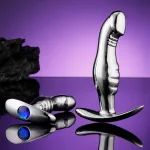
RY-254 Stainless-Steel Curved Anal Plug: S-L, Six Gem Colors
August 14, 2026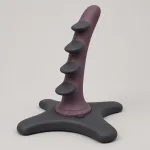
Four-Lobe Helical-Offset Anal Trainer with Indexed Safety Base
August 14, 2026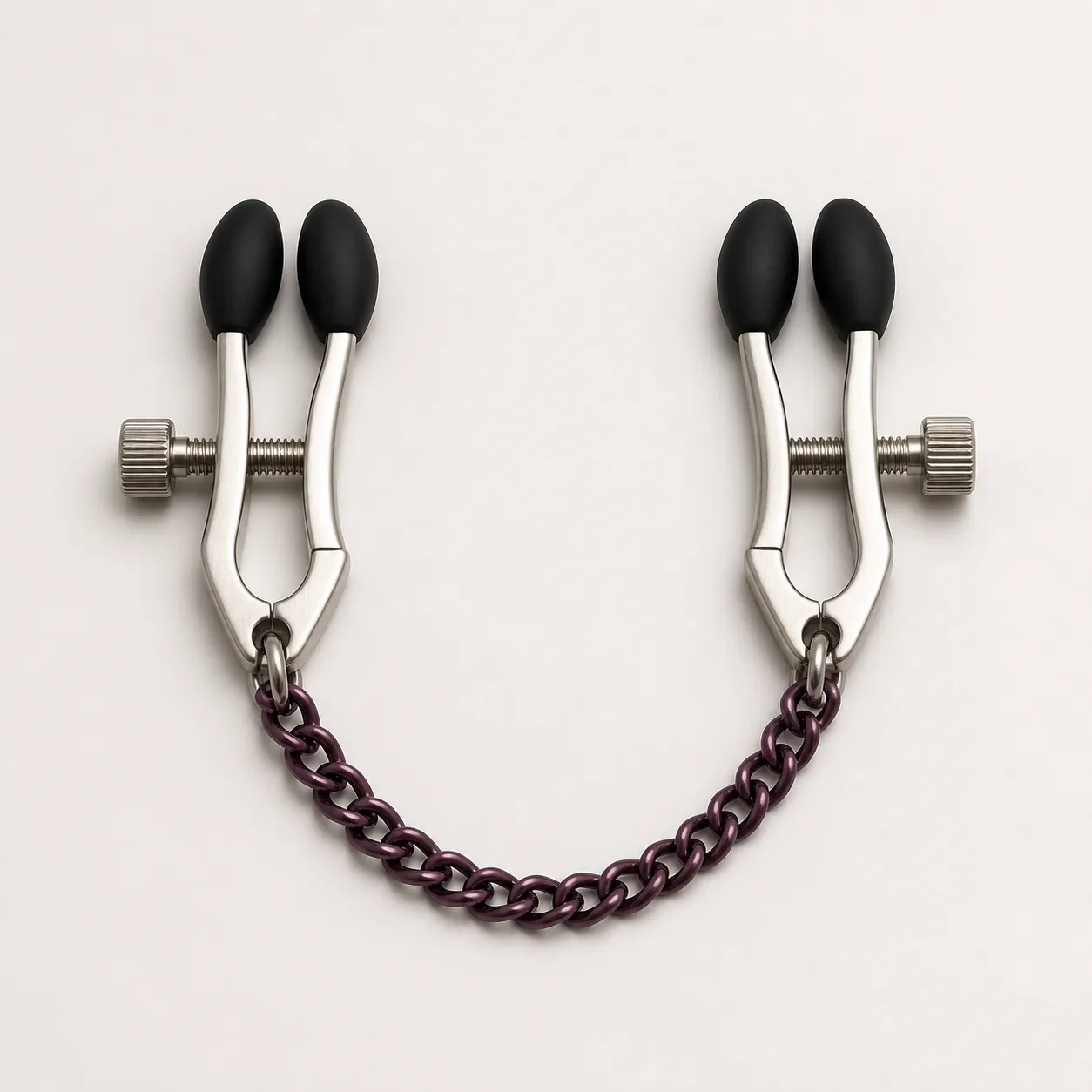
Wide-Pad Screw-Adjustable Sensory Clamps
A matched clamp pair planned for gradual independent adjustment, broad contact, brief monitoring and immediate screw release.
24,99 $
200 in stock
Wide pads and screw controls make force measurable
These screw-adjustable sensory clamps use broad rounded contact pads rather than narrow tips. Turning each knurled screw changes the jaw gap, while the connecting chain adds movement and weight. The useful product question is not whether they feel “mild” or “strong,” but whether pressure can be set, repeated and released predictably.
The source listing presents three variants and tiered pricing without establishing the exact force range, pad area, metal or coating. Every technical detail remains pending on the selected production sample.

Consent includes placement, pressure and duration
Adults should agree on the body area, desired sensation, maximum duration and a clear stop signal before either clamp touches skin. A person can withdraw consent at any time, including after the first clamp is fitted.
The wearer should control the first adjustment whenever possible. A partner must respond immediately to verbal and nonverbal signals.
Learn the thread direction before use
Open and close both clamps in the hand, confirming which direction increases and decreases pressure. The screws should turn smoothly without sudden jumps, cross-threading or loose travel.
Never fit a clamp that cannot be opened quickly with one hand. Marked direction indicators are a useful procurement requirement.
Start with the widest comfortable jaw gap
Place the broad pads gently and close only until the clamp stays in position. Do not begin by tightening to a visual target or matching the screw position of the other side.
Body shape and sensitivity differ from side to side. Adjust each clamp independently and pause after every small turn.
Circulation warnings override the planned session
Remove immediately for numbness, coldness, sharp pain, unusual darkening or paling, swelling, loss of sensation or pins and needles. Do not rely on colour alone because lighting and skin tone change what is visible.
After removal, sensation and normal appearance should recover promptly. Persistent pain, broken skin or ongoing colour change warrants medical advice.
Broad pads still create concentrated pressure
Pad width can spread force, but a misaligned pad edge or tilted jaw can focus it. Confirm that both pads meet evenly and that no metal edge contacts skin.
Procurement should map pressure across the full screw range with calibrated film or a load cell, then define a conservative usable zone.
The chain should hang freely
Keep the chain clear of hair, jewelry, clothing and moving objects. Do not pull, swing, attach weights or use it as a handle; dynamic force can exceed the careful setting at the screws.
A light accidental tug test belongs in product validation, not on the body. Chain links and attachment eyes must not open or develop sharp burrs.
Pad retention is a critical safety feature
Twist and pull each black pad before use. It should not rotate loosely, expose a hard post or slide off when the jaws open. Inspect for splits, swelling, tackiness and hard inclusions.
A missing or displaced pad removes the clamp from service. Improvised caps or glue do not restore the verified contact geometry.
Threads and hinges need fatigue testing
Cycle each screw from open to the planned limit and operate the hinge repeatedly. Record backlash, binding, metal dust, loosening and changes in required torque.
A clamp that creeps tighter or looser after movement is unacceptable. Final quality control should include matched performance between the pair.
Metal and coating claims need evidence
Procurement must identify the base metal, plating, chain coating, solder or welds and nickel-release status for the exact variant. “Metal” is not a sufficient skin-contact specification.
Rust, flaking, green residue, rough plating, staining or a metallic odor after cleaning are rejection signs.
Health and medication factors can raise risk
Reduced sensation, neuropathy, poor circulation, fragile skin, clotting concerns, recent surgery or existing injury may make clamping inappropriate or hide useful warning signals.
Alcohol and other impairing substances reduce judgment. Store the clamps when either participant cannot monitor, communicate or operate the screws reliably.
Removal should be gradual but prompt
Support the clamp body, turn the screw toward the open position and lift the pads away without dragging. Do not yank the chain or pry the jaws apart.
A brief change in sensation can follow pressure release. Stop the session and assess the area rather than immediately reapplying the clamp.
Cleaning reaches every moving surface
Use the validated method for the confirmed metal and pad polymer. Open the jaws fully and clean around pad posts, threads, hinge points, attachment eyes and every chain link.
Dry completely before inspection and storage. Harsh solvents, abrasives and prolonged soaking may damage coatings or trap moisture in the mechanism.
Store screws open and chain unstressed
Keep the dry pair in its own pouch with the pads not compressed. Arrange the chain loosely so it cannot kink against the threads or scratch the finish.
Count all links and inspect both clamps before the next session. A changed gap or missing component indicates handling or fatigue damage.
Common questions about screw-adjustable clamps
Do matching screw positions create matching force?
No. Jaw alignment, spring behavior, pad condition and individual anatomy all affect pressure.
Can the chain be pulled for extra sensation?
No. Pulling adds uncontrolled dynamic load and can tilt the pads.
Are broad pads suitable for long wear?
No duration is approved. Use requires brief active monitoring and immediate removal for circulation changes.
Is the metal confirmed as stainless steel?
Not yet. Base metal, plating and nickel-release evidence remain pending.
Can a loose pad be glued back?
No. A loose pad changes the contact geometry and the clamp should be removed from service.
What ends product life?
Binding threads, jaw creep, cracks, exposed posts, corrosion, rough edges or an opening chain link all require retirement.
Observed supplier terms and provisional store price
Alibaba listing 1601086938801 displayed USD 4.39 for 5–19 pieces, USD 3.57 for 20–199, USD 3.16 for 200–999 and USD 2.73 from 1,000 pieces, with variants A, B and C. Supplier identity, selected variant and all construction details require written confirmation.
The planned EUR 24.99 display price provisionally allows for a China-origin sample, freight planning, dimensional and mass checks, screw and hinge cycling, calibrated force mapping, pad retention, chain pull, wet-grip and corrosion screening, material documentation, cleaning validation, consent and safety labeling, discreet packaging, payment processing and destination delivery. Freight, duty, tax, insurance, certification, lead time and purchasing terms remain pending.
Final approval binds the complete matched pair
The accepted specification must identify jaw geometry, thread pitch, usable force range, pad area, metal, plating, polymer, chain, attachment eyes and package. A change to any component or variant starts a new review.
Until testing is complete, force, materials, suitable placement, duration, cleaning and corrosion resistance remain provisional.
Reviews
There are no reviews yet.