


USB-C Charging Port Dust Cap Kit with Organizer Tray
August 14, 2026
Quarter-Turn Iris-Entry Manual Stroker with Hinged Cleaning Door
August 14, 2026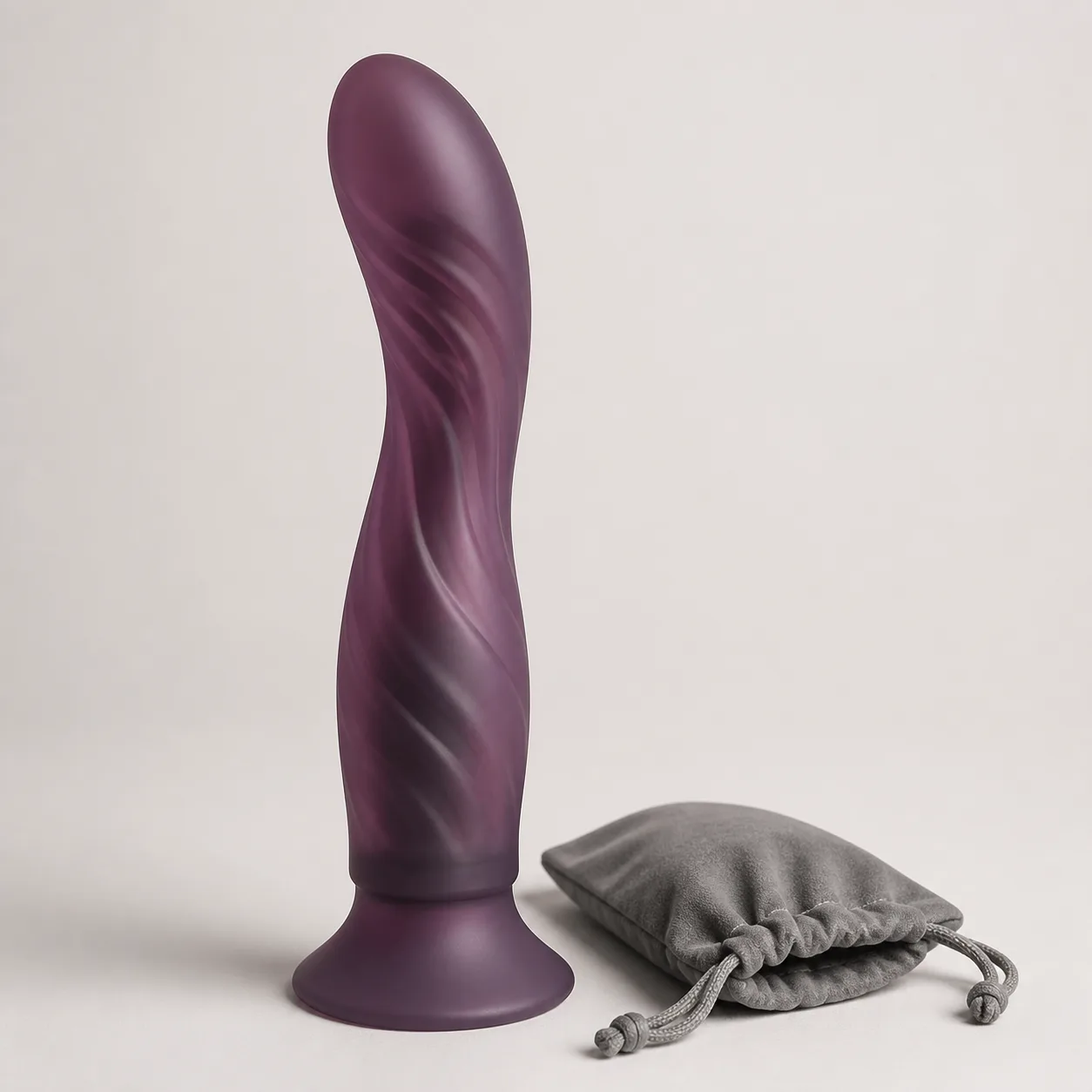
Dual-Density Curved Suction-Cup Wand
A non-anatomical curved suction-cup wand concept with soft outer silicone, firmer flexible core, broad wave texture and stable flared base.
59,99 $
200 in stock
Two firmness layers solve different design problems
This dual-density suction cup dildo concept pairs a softer outer silicone skin with a firmer flexible core. The outer layer shapes surface feel, while the inner structure helps the curved wand recover after bending.

The visible color transition is illustrative and does not establish layer thickness.
A ten-inch class product needs complete measurements
The sourcing title describes a 10-inch model, but overall length is not the same as usable length. Record the length above the base, maximum width, tip width, curve offset, base diameter and product weight.
Choose size from measured dimensions, not a photograph or category label.
The broad rounded tip changes initial fit
Measure the tip across both axes and inspect its radius for a smooth transition into the shaft. A soft outer skin cannot compensate for an oversized or abruptly shaped core.
Use generous compatible lubricant and begin gradually without forcing the curve.
Flowing ridges should remain shallow and cleanable
The concept uses broad wave channels instead of anatomical detailing. On the production sample, inspect every groove for thin silicone, rough edges, trapped debris or a seam crossing the texture.
More surface detail also means more time is needed for cleaning and drying.
Core recovery is more useful than extreme flexibility
Bend the dry wand gently through the manufacturer-approved range, hold briefly and release. It should recover consistently without a hard kink, internal click or permanent lean.
Do not fold sharply or use the curve as a lever.
The bond between layers must survive repeated movement
Look for bubbles, cloudy gaps, peeling or a mobile outer sleeve. Apply light compression along the shaft and compare how the skin follows the core.
Any separation near the tip or base disqualifies the sample.
A suction cup works only on the right surface
Use a clean, dry, smooth and nonporous surface. Press the full cup down, remove trapped air and test it by hand before positioning the body.
Tile grout, textured furniture, porous stone and flexible panels can release without warning.
Test the base in the intended direction of load
A cup that resists a straight pull may still peel under sideways force. Check it at the planned angle with gradual hand pressure and recheck whenever lubricant reaches the rim.
Keep body weight supported independently rather than relying on suction.
The curve should be oriented before contact
Mark the inside of the bend visually and decide which direction the tip will travel. Reposition by releasing the base first instead of twisting the shaft against an attached cup.
Stop for pain, numbness, bleeding, sharp pressure or loss of control.
Lubricant must suit the approved silicone
A water-based formula is the conservative starting point until the manufacturer supplies compatibility data. Patch-test any other lubricant on a non-contact area and check for swelling, tackiness or color change.
Keep oil, solvent and unknown cleaners away from unverified layered silicone.
Cleaning should follow the contour rather than flatten it
Wash with warm water and a compatible mild cleanser, using fingertips around the wave channels and the junction above the base. Rinse all grooves and both sides of the suction cup.
Do not stretch the outer layer or drive a brush under an edge.
Dry the suction cavity separately
After surface drying, invert the cup only as far as the supplier permits and remove water from its recessed center. Air-dry upright with the base exposed.
Store only when the grooves, layer junction and cup cavity are completely dry.
Silicone quality cannot be inferred from transparency
Request formulation, hardness values for both layers, pigments, cure system and restricted-substance reports. The listing uses “liquid silicone” and “dual density,” but those phrases do not prove body-contact suitability.
Reject persistent odor, oily residue, tackiness, pigment transfer or dust attraction.
The base may fit accessories only after measurement
A flared suction cup sometimes resembles a harness-compatible base, yet thickness and flexibility can prevent secure mounting. Record cup diameter, neck diameter and base compression before suggesting any holder.
No harness compatibility is approved for this concept.
The landed price reflects size and inspection work
The Alibaba reference lists USD 16.50 for 1–29 pieces, USD 14.50 for 30–299 and USD 13.50 from 300 for a 10-inch dual-density liquid-silicone suction-cup model. Supplier identity, exact dimensions, material evidence and packed weight remain unconfirmed.
The supplier lead is a procurement reference only. The EUR 59.99 preview plan allows for China-origin freight and sample inspection while duty, tax, insurance, packaging and delivery terms remain pending.
Frequently asked questions
What does dual density mean here?
It refers to a softer outer layer around a firmer supporting core; exact hardness and thickness still need testing.
Is ten inches the usable length?
No. It is a source title claim; usable length above the base must be measured separately.
Will the cup attach to every surface?
No. It needs a smooth, clean, dry, nonporous surface and a direction-specific stability test.
Can the wand be bent into any angle?
No. Flex only within the verified range and stop for a kink, click or layer movement.
Is the pictured pouch included?
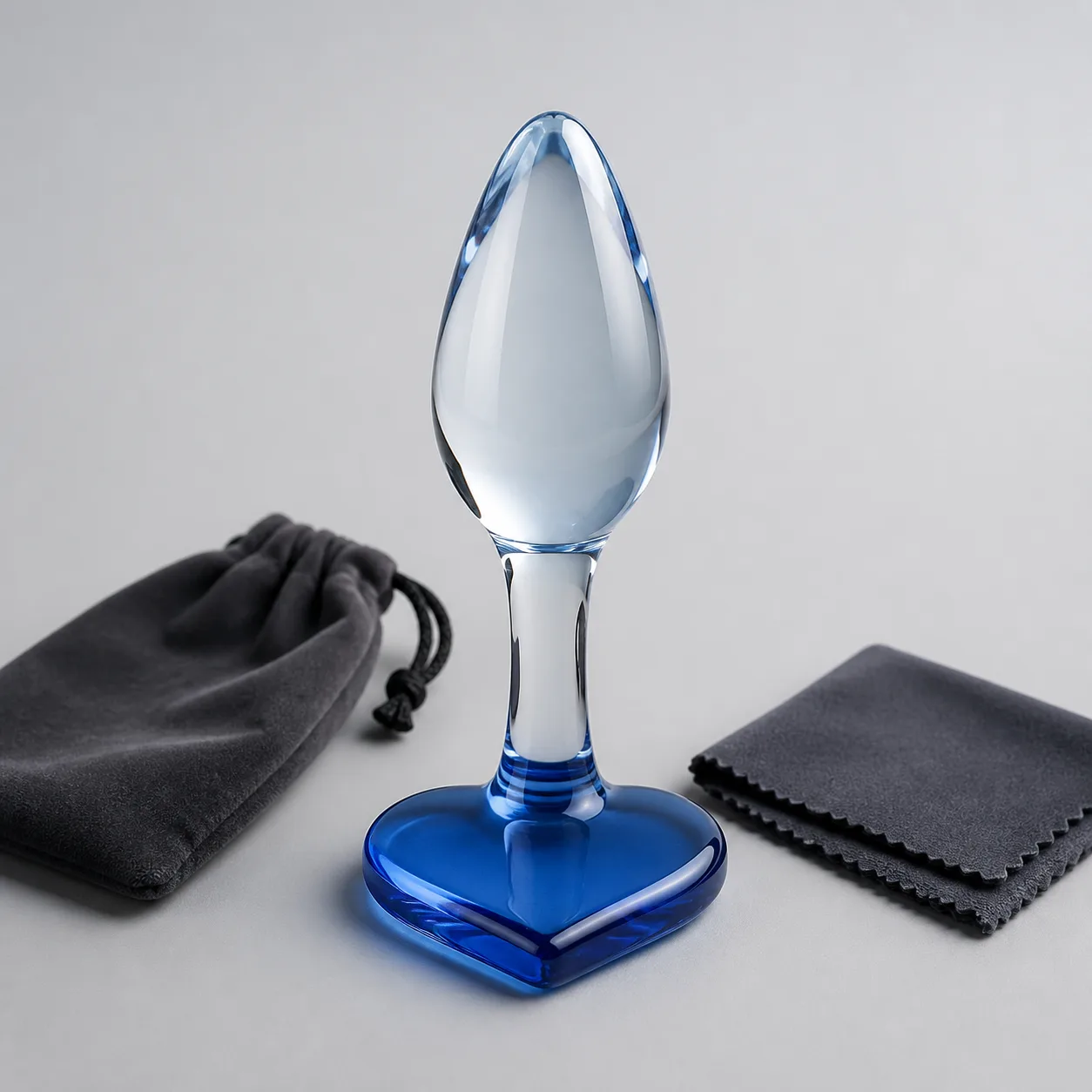
It is part of the concept image; the final accessory list is pending supplier confirmation.
Can it be used in a strap-on harness?
No compatibility is approved until base and opening measurements are matched.
Reviews
There are no reviews yet.