



Banana-Arc Suction and Vibration Stimulator
August 14, 2026
Cloud-Glow Air-Pulse and Wired Egg Duo
August 14, 2026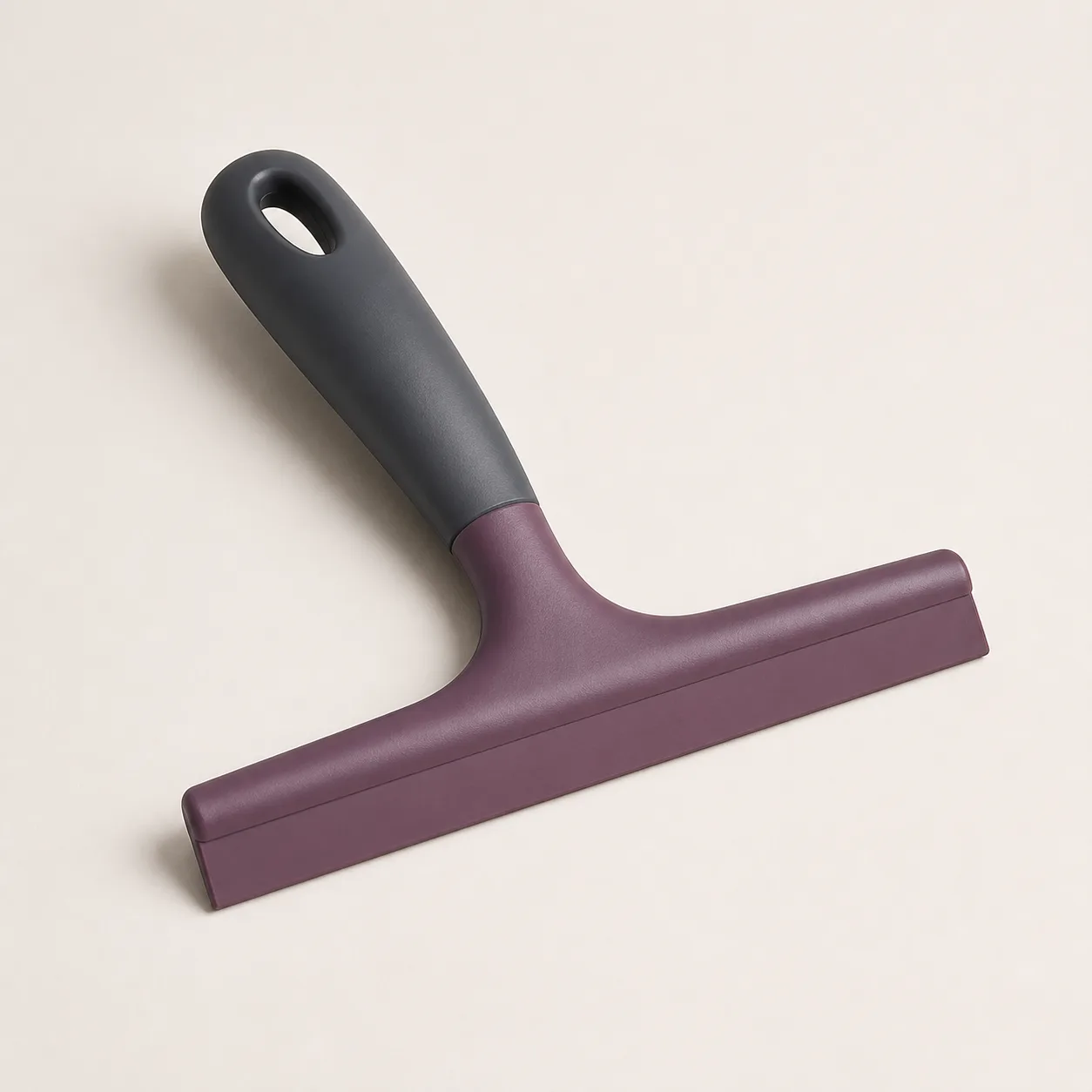
Compact Care-Washing Sink Squeegee with Hanging Loop
A compact dedicated sink-squeegee concept for moving visible rinse water toward the drain after an adult-controlled care-washing session.
9,99 $
200 in stock
A dedicated squeegee can close the sink-cleaning sequence
This care washing sink squeegee concept is planned for moving visible rinse water toward the drain after care items, trays and brushes have left the station. A compact blade and hanging loop keep the tool recognizable within a segregated cleanup routine.

It does not disinfect, dry or certify a cleaned surface.
Keep the squeegee out of the care-item contact workflow
Assign it to the sink bowl or approved surrounding surface only. Do not use the same blade on care items, drying trays, storage interiors or low-lint cloths.
Label and store the tool according to the zone plan so cross-use is easy to detect.
Measure the tightest curve before selecting blade width
Record the sink base, corner radius, drain position, faucet clearance and countertop edge. A blade that is too wide may bridge curves, strike fittings or push water away from the intended route.
Final width, thickness and flexibility require production-sample measurement.
The image communicates shape rather than verified composition
The rendering shows a short charcoal handle, plum neck, straight blade and open hanging loop. It does not establish silicone grade, hardness, joint method, blade straightness, colorfastness or suitability for a particular sink finish.
Approve the production specification and physical sample before use.
Inspect the blade edge against a bright background
Look along the full line for waves, nicks, embedded grit, mold flash, cuts and hardened patches. Flex the neck only within the supplier-approved range and inspect the handle and loop for cracks or loose seams.
A damaged edge can trap soil, leave water paths or mark a finish.
Patch-test every planned surface while dry
Clean an inconspicuous area according to its own instructions, then draw the dry blade once with minimal pressure. Inspect for scratches, dulling, coating transfer, pigment, residue or a pressure line.
Repeat separately on ceramic, enamel, stainless steel, composite, stone or laminate as applicable.
Practice the route with clean water only
Place a small measured amount of water on the approved test surface and move it through short overlapping passes toward the open drain. Observe blade chatter, skipping, splash direction and any water left along the ends.
Stop if the tool requires heavy pressure or pushes water outside the controlled area.
Do not use the blade to spread cleaning chemistry
Apply cleaners with the method specified for the sink and keep the required concentration and contact time independent of this tool. The squeegee should not redistribute an unverified chemical film or shorten a documented process.
Rinse residues through the approved procedure before the final water-moving step.
Work from the cleaner boundary toward the drain
Begin at the point farthest from the drain and use deliberate passes that do not cross a soiled section twice. Keep the free hand away from the blade path and maintain a dry standing route outside the splash boundary.
Do not flick the blade at the end of a stroke.
Inspect the floor whenever water reaches the outer edge
Pause immediately, control access and follow the established spill procedure if a pass sends water beyond the sink or counter. A compact hand tool cannot make the surrounding floor slip-resistant.
Resume only after the walking route has been assessed and restored.
Clean the tool before water dries on its joints
Rinse visible residue from both blade faces, the neck transition, handle seams and loop using the verified method. Use a soft brush only if the material and construction permit it.
Do not leave the squeegee resting in the sink where it may be confused with a clean care tool.
Dry the hanging loop without relying on it blindly
Confirm that the hook or rail is clean, secure and outside the splash path, then hang the tool with space around the blade. Inspect the underside of the loop, neck and blade corners for retained droplets.
Hanging-load capacity and deformation over time remain pending.
Store only after the blade is straight, clean and odor-free
Move the dry squeegee to its designated closed or ventilated cleanup compartment without bending the edge against a wall. Keep heavy bottles and sharp brushes from pressing on the blade.
Withdraw it after permanent waves, cuts, cracking, loose joints, staining, pigment transfer or persistent odor.
Document blade changes instead of increasing pressure
Record streak patterns, chatter, deformation and the number of cleaning cycles during sample evaluation. If more force is needed over time, inspect the tool and surface rather than compensating with harder strokes.
Replacement criteria should be based on verified performance limits and condition.
Sourcing needs finish trials and a complete landed-cost check
A Jilin Baiying Trade Co., Ltd. mini silicone sink squeegee listing shows USD 0.32-0.43 per piece with MOQ 100. That reference does not confirm this planned charcoal-and-plum design, dimensions, silicone grade, hardness, joint strength or compatibility with care-washing surfaces.
The procurement reference supports inquiry only. The EUR 9.99 plan allows for China-origin freight, dimensional and blade checks, sink-finish trials, cleaner and drying trials, protective packing and discreet fulfillment; packed size, mass, freight, duty, tax, insurance, payment fees and destination terms remain pending.
Frequently asked questions
Does this squeegee disinfect the sink?
No. Disinfection depends on a separately validated chemistry, contact time and surface procedure.
Can the blade touch care items?
No. Keep it dedicated to the approved sink or surrounding cleanup surface.
Will it fit a curved basin?
Blade width, flexibility and the basin geometry must be tested together.
Is the whole tool silicone?
Handle, neck and blade materials remain pending supplier documentation and sample review.
Can it hang inside the splash zone?
Choose a clean secure location outside direct splash and confirm that every surface dries fully.
When should it be withdrawn?
Withdraw it after cuts, waves, cracks, loose joints, hardening, color transfer, persistent odor or any newly abrasive edge.
Reviews
There are no reviews yet.