


Six-Spoke Floating-Core Pocket Vibrator with Preload Dial
August 14, 2026
Ratcheting-Pivot Strapless Couples Vibrator with Asymmetric Heads
August 14, 2026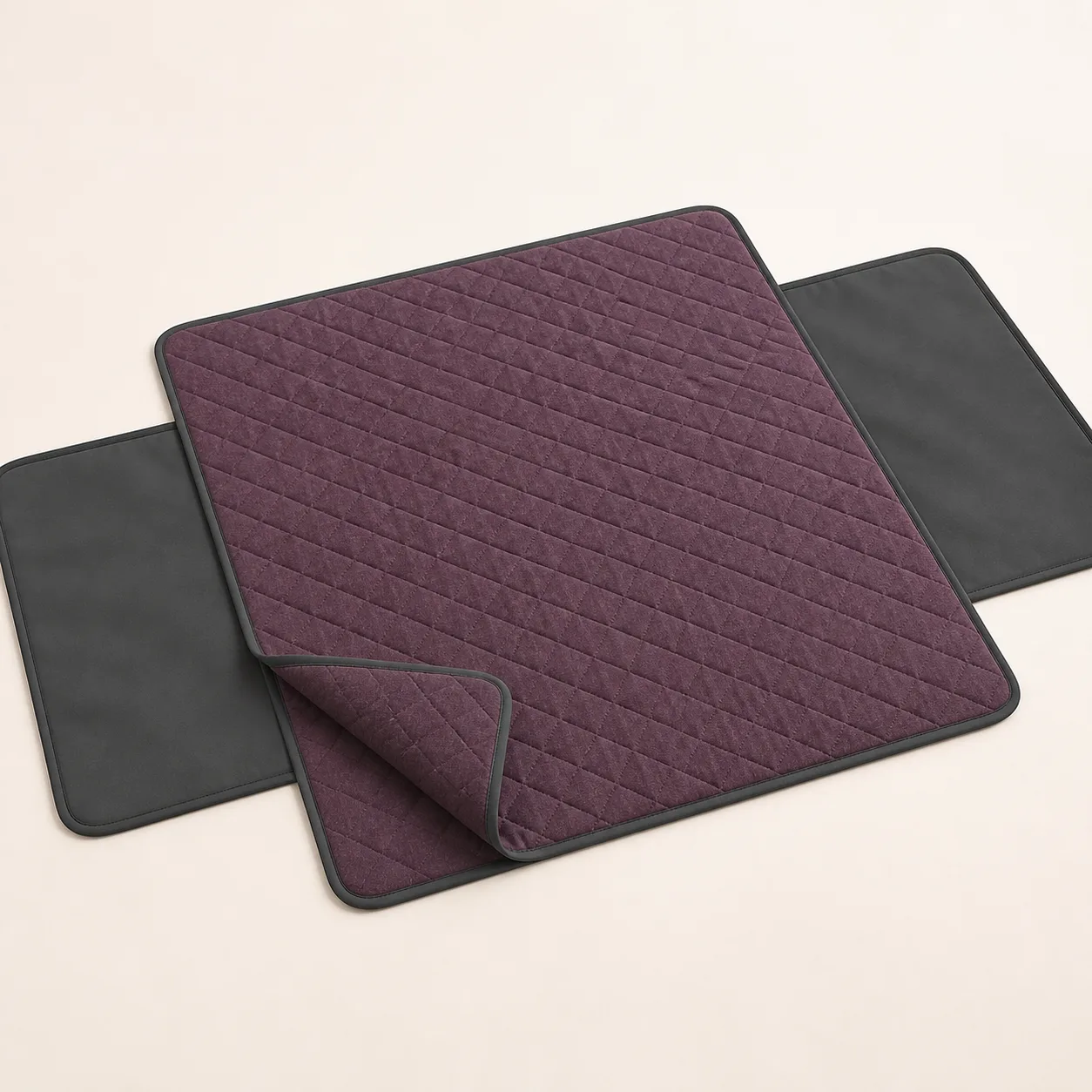
Washable Tuck-In Wing Care-Surface Protector
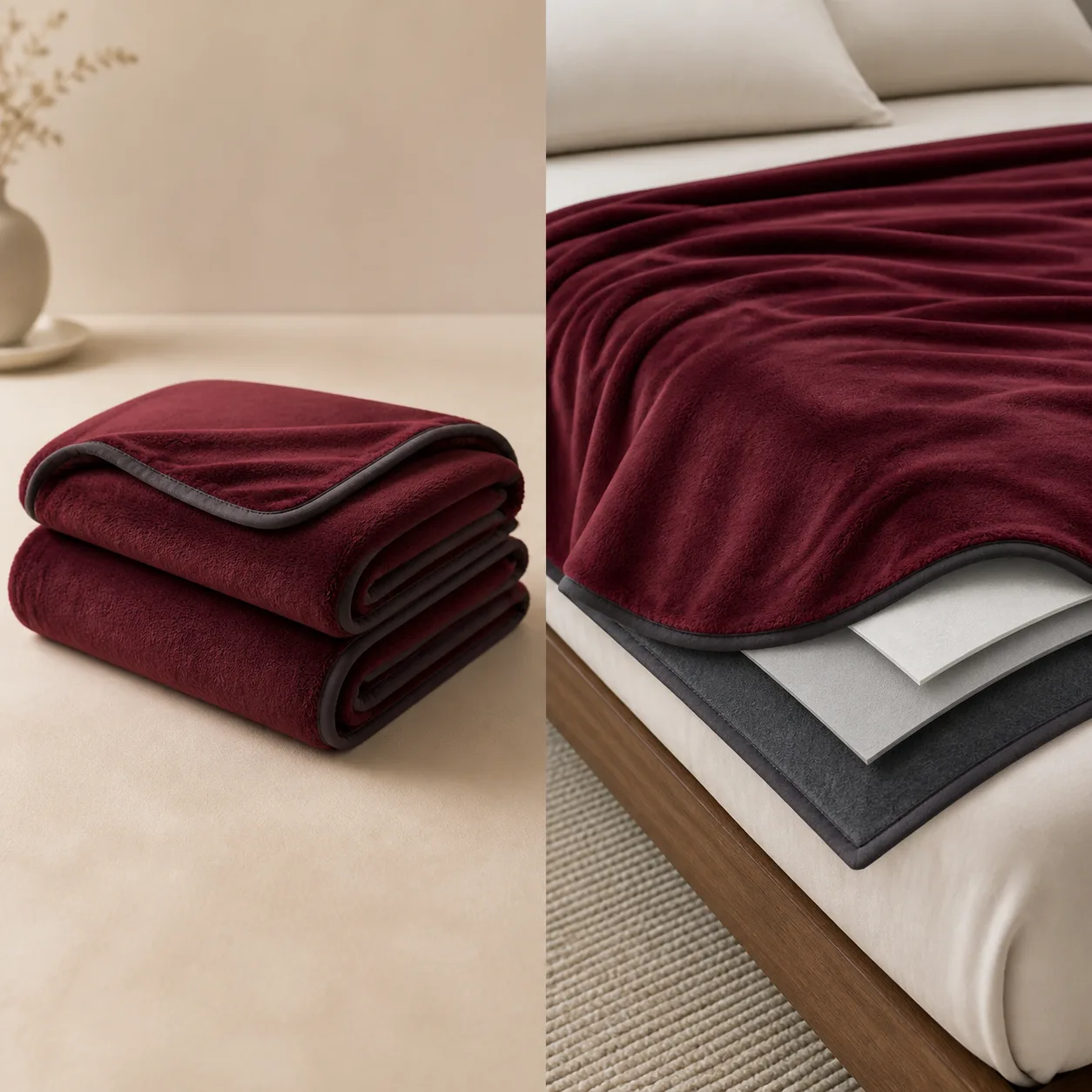
A washable quilted care-surface protector concept with two tuck-in wings designed to help define and stabilize a prepared bed or cushion zone.
19,99 $
200 in stock
Side wings can help keep a defined care zone in place
The tuck in wing care surface protector concept combines a quilted central panel with two plain extensions intended to tuck beneath a compatible mattress or cushion. The aim is a washable, visibly bounded work zone that shifts less than a loose square pad.

No absorbency level, waterproofing, leakproof edge, skin-contact certification or mattress compatibility is claimed before testing.
Match the protected zone to the actual routine
Measure the surface area that needs coverage and identify where movement or liquid could reach beyond the center panel. The quilted portion, not the wings, should define the active zone unless sample construction proves otherwise.
Allow a generous margin rather than relying on the binding as a liquid stop.
Confirm every layer before making a barrier claim
Request written details for the face textile, fill, internal barrier, backing, binding and thread. Test representative samples for strike-through, edge leakage, wet spread, shrinkage and surface friction after repeated washing.
A supplier listing is not a substitute for independent qualification.
Inspect the dry protector under bright light
Open it flat and check quilting lines, seams, wing joints, binding and both faces for skipped stitches, holes, thin zones, stains, rough edges or persistent odor. Compare the finished dimensions with the purchase specification.
Remove any unit with separation, exposed film or loose thread that could catch.
Install only on an empty stable surface
Move people, powered items and loose objects away before lifting a mattress edge. Center the quilted panel first, then tuck one wing at a time using a neutral posture and a second adult if the mattress is heavy.
Never reach beneath an occupied, adjustable or moving bed system.
Use the wings for placement rather than tension
Lay each extension smooth without twisting, knotting or stretching it. Excessive pull can distort the center panel, raise a ridge or load the wing seam.
The wings are not restraints, tie-downs, handles or load-bearing straps.
Smooth every fold before the work zone is prepared
Run a flat hand over the dry panel and confirm that the binding lies away from the main contact area. Check that the protector does not bridge a mattress seam or cover a control, cable, vent or heated surface.
Stop if it slides, bunches or changes the support surface unexpectedly.
Keep the setup limited to compatible closed supplies
Place only the items needed for the routine on a separate stable tray when possible. Avoid sharp edges, high heat, open flames, concentrated chemicals and powered equipment that could damage an unconfirmed textile barrier.
Read every product label before contact with the protector.
Watch the center, edges and surrounding surface during use
Pause if liquid approaches the binding, the panel becomes saturated, or a wing starts to pull free. Move supplies to safety before touching the wet textile and follow the liquid’s handling instructions.
Do not press, kneel or roll equipment over a wet area.
Never use the protector to lift or reposition a person
No transfer, positioning or load-bearing function is intended. Pulling the wings or panel under body weight can tear seams, destabilize the surface and create a fall hazard.
Use only approved mobility equipment and trained assistance for repositioning.
Remove the used protector with the wet zone contained
Clear all supplies, wear protection specified for the substance and untuck each wing without dragging the center panel across furniture. Fold so any affected face turns inward, but do not compress liquid toward an edge.
Move it directly to the designated laundry container.
Separate the laundry route from clean care textiles
Do not mix a used protector with clean cloths or garments until the confirmed process permits it. Follow substance labels and local hygiene rules for pre-treatment, containment and machine loading.
Never shake a used textile or leave it on the floor.
Wash only to the verified textile specification
Confirm water temperature, detergent dose, allowed disinfectant, bleach limits, cycle type and maximum load. Avoid improvised chemical combinations and do not assume a hot cycle is safe for the internal barrier.
Record shrinkage, seam change, odor and surface feel during sample wash trials.
Dry completely and recheck performance before storage
Use the approved line-dry or tumble setting and ensure wings, quilting and binding are dry throughout. Inspect for delamination, puckering, stiff areas, color transfer and loss of grip before folding loosely.
Store in a clean, dry, adult-controlled textile area away from chemicals and heat.
The supplier price requires barrier and wash-life qualification
An Alibaba washable underpad with tuck-in wings listing from Haining Meike Textile Co., Ltd. shows USD 1.60-1.69 per piece with MOQ 200. Finished dimensions, fibers, absorbency, fluid holdout, edge behavior, wash method and cycle life require written confirmation and independent sample tests.
The procurement reference supports inquiry only. The EUR 19.99 plan allows for China-origin freight, textile and seam inspection, wash trials, protective packing and discreet fulfillment; packed size, mass, freight, duty, tax, insurance, payment fees and destination terms remain pending.
Frequently asked questions
Is the protector waterproof?
No verified barrier rating is stated. Fluid holdout, strike-through and edge leakage need sample tests.
Do the wings absorb liquid?
The wing construction is unconfirmed; plan containment around the qualified center panel only.
Can it be used to move someone?
No. It is not a transfer sheet, positioning aid, sling or restraint.
Which wash temperature is safe?
The final supplier instructions and sample wash validation must set the temperature and cycle.
Will it fit every mattress?
No. Measure the panel, wings, mattress width and safe tuck depth before installation.
When should it be removed from service?
Stop after torn seams, exposed barrier film, persistent odor, delamination, shrinkage, rough binding, reduced surface grip or failed fluid testing.
Reviews
There are no reviews yet.