


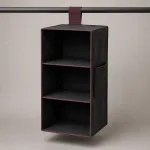
Three-Shelf Hanging Closet Care-Supply Organizer
August 14, 2026
Three-Panel Fan-Fold Palm Vibrator with Indexed Radius Stops
August 14, 2026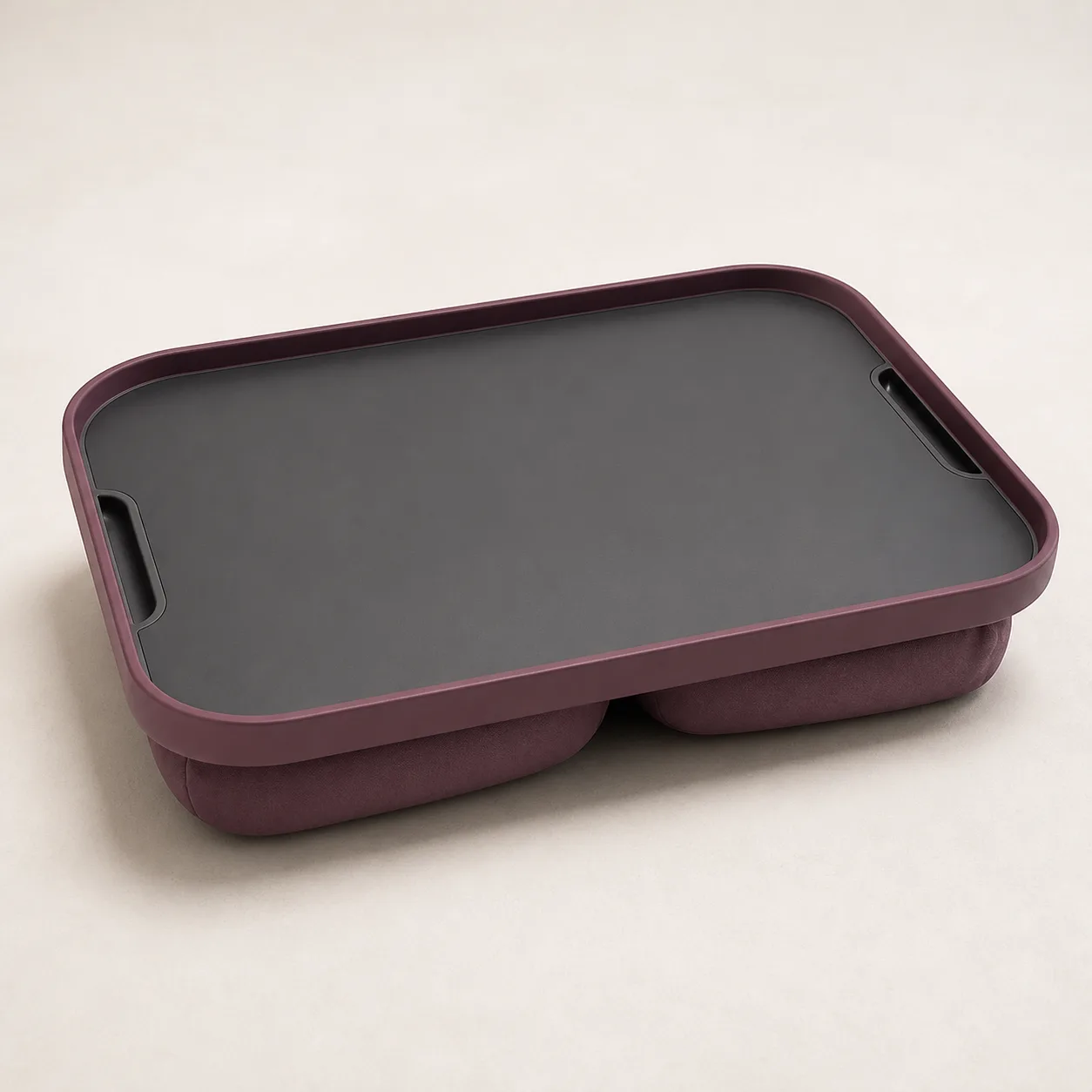
Cushioned Care-Preparation Lap Tray with Raised Edge
A cushioned raised-edge lap-tray concept for counting lightweight dry supplies and reviewing instructions during a seated adult-care preparation routine.
39,99 $
200 in stock
A lap tray can create a temporary dry counting surface
This care preparation lap tray concept places a raised-edge work surface over two underside cushions for an adult seated routine. It is intended for reviewing instructions, counting empty dry accessories and organizing a small checklist before items move to the fixed care station.

It is not a body support, medical device, standing surface or substitute for a stable table.
Limit the task to light dry preparation
Keep liquids, cleaners, powered equipment, chargers, hot items, sharp tools and unpackaged care items off the lap tray. Use it for paper instructions, sealed lightweight supplies or an empty parts checklist only after sample limits are established.
All washing and charging should remain at their qualified stations.
Measure the seated space before choosing tray size
Record chair-arm clearance, thigh width, torso distance, elbow path and the space needed to rise without moving furniture. Confirm the tray can be lifted straight away without catching clothing, controls or armrests.
Final width, depth and surface height require production-sample measurement.
The rendering does not establish bamboo, foam or load
The image shows a charcoal surface, plum perimeter, two grips and two soft-looking underside pods. It does not confirm board material, cushion fill, coating, rigidity, supported mass, friction, pressure distribution or liquid resistance.
Approve the layer construction and physical sample before use.
Inspect every edge, grip and underside seam
Check the raised perimeter for cracks, sharp molding, splinters, loose coating and open joints. Turn the tray over and examine grips, cushion covers, filling containment, stitching and attachment points for damage, odor or exposed adhesive.
Do not place a damaged tray against clothing or furniture.
Patch-test the surface and cushions separately
Use the approved cleaner on an inconspicuous work-surface corner and test each cushion cover against representative clothing and chair upholstery. Inspect for color transfer, residue, tackiness, scratches, lint, dye change or fabric distortion.
Cleaner and textile compatibility must be confirmed before routine use.
Run the first balance trial while the tray is empty
Seat the intended adult safely, place the tray level and keep both hands near the side grips. Observe rocking, cushion compression, edge pressure and movement during normal breathing and small posture shifts.
Remove the tray if it tilts, traps the legs or changes the safe seated position.
Add sample weight in small documented steps
Use clean inert test blocks positioned at the center, then near each corner, without exceeding the supplier limit. Observe deflection, cushion collapse, surface angle and whether the perimeter changes shape.
A raised edge does not prove that an item will stay on a tilted tray.
Arrange the checklist before the tray reaches the lap
Place the minimum approved dry materials on the tray while it rests on a fixed counter, then lift using both grips. Keep frequently handled papers near the center and leave the perimeter visible.
Do not carry loose components through the room on the lap tray.
Pause movement before reading or counting
Keep the chair stationary and avoid reaching sideways, rotating the torso or crossing legs while the tray is loaded. If an item falls, clear the tray first and stand only through the established safe sequence.
Never try to catch a falling object by tipping the tray.
Clear the tray before standing
Move every approved item to a fixed surface, check the lap and floor, then lift the empty tray with both grips. Place it on a stable counter before the adult begins to rise.
The tray must not remain balanced on knees, chair arms or bedding.
Clean the hard surface without soaking the cushions
Follow the verified cleaner, cloth and contact time for the top and perimeter. Protect the underside from runoff and address each cushion only through its confirmed spot-cleaning or removable-cover process.
Do not immerse the assembled tray or allow cleaner into seams and grip openings.
Dry every junction before the tray enters storage
Place the empty tray in the approved orientation with airflow around the edge, grips, cushion seams and attachment areas. Inspect for retained moisture, swelling, odor, delamination, stiffness or pigment transfer.
A dry upper surface does not prove the cushions or joints are dry.
Store vertically only if the design and support permit it
Use a dedicated slot or broad stable shelf that protects the perimeter and does not compress the cushions. Prevent the tray from falling, bowing or supporting other stored objects.
Withdraw it after cracks, loose edges, cushion collapse, open seams, warping, persistent odor or unstable balance.
Sourcing requires a load plan and volumetric-freight review
A Jiangxi Bamboo Technology Development Co., Ltd. portable cushioned lap-desk listing shows USD 12.20-12.70 per piece with MOQ 5. That reference does not confirm this planned charcoal-and-plum tray, materials, dimensions, load, cushion geometry, edge retention or cleaning compatibility.
The procurement reference supports inquiry only. The EUR 39.99 plan allows for China-origin volumetric freight, dimensional and edge checks, balance and load trials, surface and cushion cleaning tests, protective packing and discreet fulfillment; packed size, mass, freight, duty, tax, insurance, payment fees and destination terms remain pending.
Frequently asked questions
Can liquids be placed on the tray?
No. The planned workflow is for lightweight dry preparation, and liquid resistance remains unverified.
Does the raised edge prevent items from falling?
No. Edge retention depends on item size, surface friction and tray angle and must be tested.
Can someone stand up with the tray in place?
No. Clear the tray, move it to a fixed surface and then use the normal safe standing sequence.
Is the top made from bamboo?
The exact work-surface, edge and cushion materials remain pending supplier confirmation.
Can it hold a charger or powered device?
No. Keep charging and powered equipment at the separately qualified station.
When should the tray be withdrawn?
Withdraw it after cracks, sharpness, warping, loose layers, cushion collapse, open seams, instability, color transfer or persistent odor.
Reviews
There are no reviews yet.