


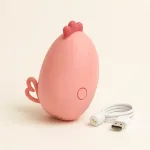
Chicken-Loop Mini Vibrator
August 14, 2026
Compact Thrusting Vibrator with Suction Base
August 14, 2026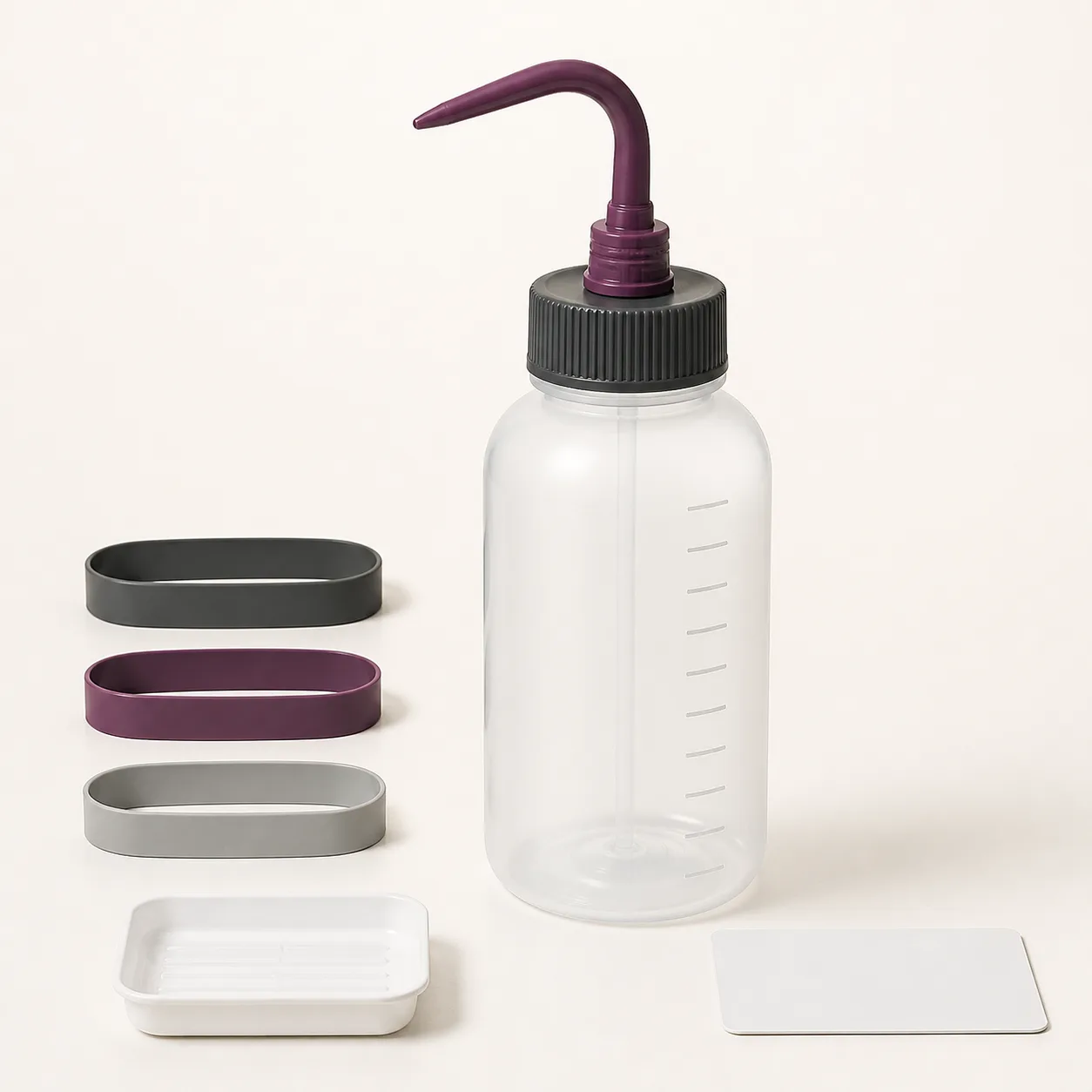
Graduated Bent-Nozzle Rinse Bottle with ID Bands
A translucent squeeze rinse bottle concept with curved nozzle, molded level marks, broad collar and removable ID bands for controlled cleaning workflows.
9,99 $
200 in stock
A directed rinse stream is different from a spray
The bent nozzle rinse bottle concept uses a squeezable translucent body, curved outlet, broad charcoal collar, molded level marks and removable color ID bands. The nozzle aims a narrow water stream at an accessible washable area while the bottle remains upright in the user’s hand.

It is not a pressure sprayer, drinking bottle, medical irrigator or proof that any product can be safely rinsed.
Confirm the item allows water before filling the bottle
Read the product maker’s cleaning and ingress instructions, including whether seams, switches, charging contacts and air paths must stay dry. A convenient nozzle does not change the device’s water-resistance rating.
Choose wiping or another approved method when full rinsing is excluded.
Default to plain water unless a formula is explicitly approved
Detergents, alcohols, oils, acids and solvents can attack the bottle, collar, nozzle or the item being cleaned. Use a chemical solution only after both the bottle supplier and product maker confirm compatibility at the intended concentration and temperature.
Never store an unidentified mixture between sessions.
Graduation marks are for orientation until verified
Molded ticks can help estimate remaining liquid, but their spacing and tolerance remain pending. Use calibrated laboratory or kitchen equipment when a cleaner dilution depends on an exact volume.
Do not treat the bottle as a certified measuring vessel.
Leave headspace for the internal pickup tube and squeeze cycle
Overfilling can wet the collar threads, reduce air recovery and create drips when the top is tightened. Fill only to the approved working level, wipe the rim and seat the collar without cross-threading.
Nominal capacity and safe usable capacity must be documented separately.
Inspect the collar and tube before every session
Look for a split pickup tube, loose nozzle, distorted thread, damaged seal or residue under the collar. Assemble the top by hand and confirm that the tube reaches the intended position without kinking.
Stop using any bottle that leaks around the neck during a gentle test squeeze.
Squeeze pressure controls jet force
Test the bottle over a sink or tray with plain water, starting with minimal hand pressure. Verify stream width, range and recovery so the jet does not splash residue toward the face or force water into a protected seam.
Jet profile and safe squeeze force remain pending.
Keep the nozzle close without touching the surface
A small air gap limits contact between the outlet and the item. If the nozzle touches residue, stop, clean the nozzle by the approved method and refresh the water before continuing.
Do not insert the curved tip into an opening or use it to pry apart folds.
Electrical zones remain off limits
Disconnect power, remove approved detachable cables and keep the rinse stream away from ports, magnetic contacts, battery compartments, speakers and control openings. Follow the manufacturer’s drying interval before charging.
A clear exterior can still hide moisture inside a connector recess.
ID bands reduce mix-ups only when their code is recorded
Charcoal, plum and grey bands can distinguish plain water, a validated solution or inspection status. Maintain a private written legend and remove a band if its meaning becomes uncertain.
Band count, polymer, colorfastness and final inclusion remain pending.
Keep cleaning bottles separate from food and drink containers
Store the rinse bottle in the cleaning area, never in a refrigerator, drinks cabinet or bathroom cup holder. Use neutral but unmistakable external identification while keeping detailed contents in a private record.
Do not drink from the bottle or direct its stream at the body.
Empty, rinse and dry after the approved task
Discard leftover liquid according to its instructions, flush the bottle and tube with the confirmed method, then drain completely. Separate components if permitted and allow unrestricted airflow until the pickup tube and collar are dry.
Trapped moisture can dilute the next fill and support odor or residue buildup.
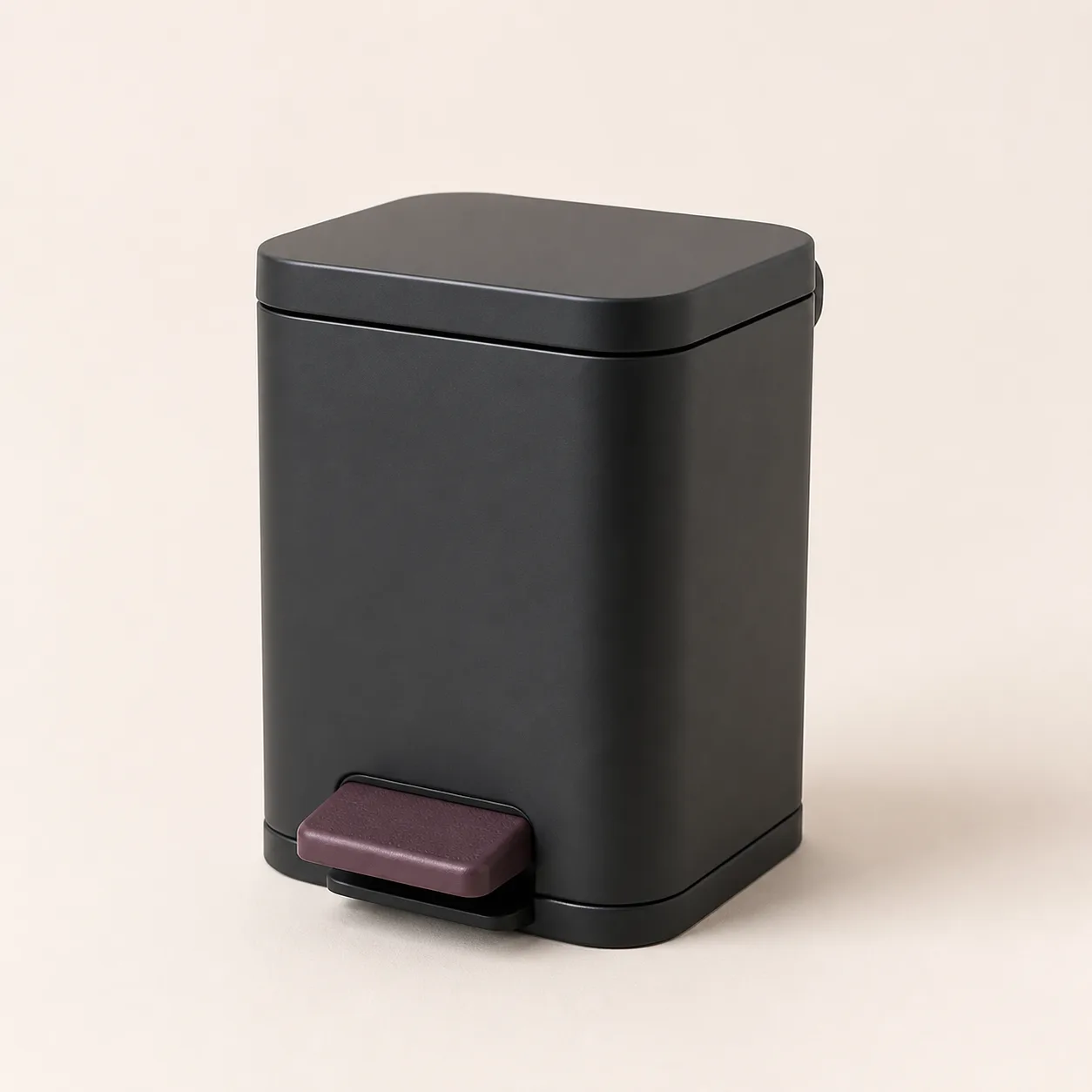
A drip tray manages storage mess but does not contain a leak
Place the dry bottle upright on a clean tray to reveal small drips during inspection. A shallow tray cannot safely contain hazardous chemicals or compensate for a damaged collar.
The tray shown is a display prop and not promised pack content.
Incoming inspection should combine volume and pressure tests
Measure bottle mass, wall thickness, usable volume, graduation error, nozzle bore and tube reach. Cycle squeezing, collar assembly and controlled drops, then check for stress whitening, cracks, thread wear and leaks.
Quarantine blocked nozzles, rough flash, strong odor, unstable bands, inaccurate marks or inconsistent stream direction.
The source listing is a general laboratory wash bottle
An Alibaba entry from Hangzhou Sanle Imp. & Exp. Co., Ltd. displays a 500ml LDPE laboratory wash bottle at USD 0.35 with MOQ 5000 pieces. Exact capacity, material grade, sealing, graduations, jet profile and compatibility remain pending.
The procurement reference supports sample inquiry only. The EUR 9.99 plan provisionally includes China-origin freight, volume, leak, jet and chemical-compatibility checks plus ID-band assembly; packed mass, freight, duty, tax, insurance, payment fees and destination terms remain pending.
Frequently asked questions
Can the bottle rinse every rechargeable toy?
No. Keep water away unless the exact product’s instructions approve rinsing and define protected openings.
Are the graduation marks precise?
Accuracy remains pending, so use calibrated equipment for exact dilution work.
Can cleaner stay in the bottle between uses?
Only if both suppliers explicitly approve that storage; otherwise empty, rinse and dry the bottle.
Why use a bent nozzle?
It can direct a controlled stream toward accessible surfaces while the bottle stays upright.
Are the ID bands included?
Count, material and inclusion remain pending until the final kit specification is approved.
When should the bottle be discarded?
Remove it after cracks, stress whitening, blocked flow, distorted threads, persistent odor or any collar leak.
Reviews
There are no reviews yet.