


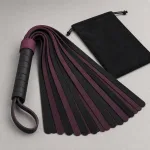
Soft-Tassel Balanced Sensory Flogger
August 14, 2026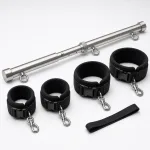
Adjustable Steel Spreader Bar with Padded Cuffs
August 14, 2026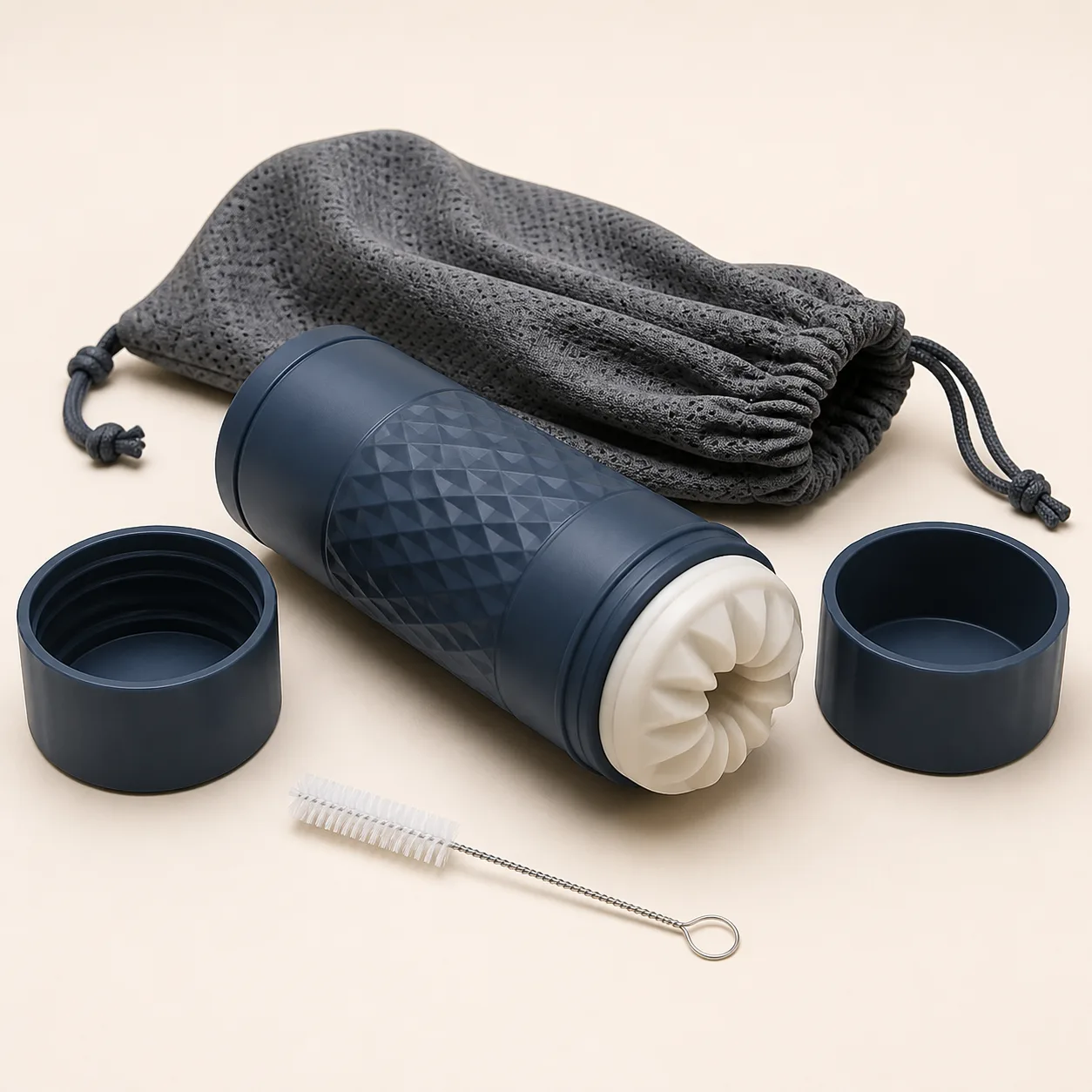
Dual-End Manual Textured Stroker
A non-powered dual-end stroker concept with two planned texture profiles, a faceted grip shell and removable caps, focused on manual control and full drying.
24,99 $
200 in stock
Two ends should offer two clearly different textures
The supplier listing describes a double-head manual cup, suggesting that either end can provide a distinct entry profile. The actual opening shapes, internal textures and usable depth are not shown reliably, so those differences must be mapped on a production sample.
Inspect both rims with the liner removed from the shell if the design allows. Each edge should be rounded, continuous and free from tears, thin spots or molding flash.

Manual control means the hand sets speed and depth
This product plan includes no motor, battery, remote or automatic motion. Pace, stroke length and grip pressure come entirely from the user, making it important to begin slowly and keep the shell under direct control.
Do not use mechanical drivers, mounts or improvised thrusting equipment. The shell and liner are planned only for hand operation.
Choose one end before adding lubricant
Compare both opening profiles while dry and decide which end will be used. Capping the unused side may change internal air pressure, so the sample should be tested with the opposite cap both fitted and removed.
Never switch ends without cleaning the product and using fresh lubricant. Residue transferred through the sleeve can make inspection and hygiene less reliable.
The grip band should stay secure with wet hands
The faceted center is intended to provide a stable hold without sharp texture. Wet the exterior lightly during sample testing and confirm that the shell can still be rotated and released without squeezing hard.
A slippery shell increases the chance of sudden movement. Excess pressure on the grip may also compress the liner and create a tighter internal fit than expected.
Air pressure needs a simple release path
A capped manual sleeve can create suction as the liner moves. Test the product on a clean smooth cylinder of appropriate size before body use and identify whether opening the opposite cap releases pressure immediately.
If the sample locks, grips abruptly or lacks an accessible vent, it does not pass review. Pulling harder is not a safe pressure-release method.
Fit must be comfortable at the entrance
Apply a generous amount of verified compatible water-based lubricant to the chosen rim and only a small distance inside. Begin with shallow movement and stop if the opening drags, folds inward or feels sharp.
Do not force a fit that feels narrow. Exact inner diameter, stretch range and liner depth remain procurement requirements.
Texture should not create numbness
Internal ridges can concentrate pressure even when the shell feels soft. Use brief intervals, vary depth and keep the grip relaxed so the liner is not compressed around one area.
Stop for pain, numbness, tingling, swelling, discoloration, broken skin or loss of sensation. The product is not intended to diagnose, train or treat any condition.
Caps are for storage only unless instructions say otherwise
The concept shows two end caps to protect the liner from lint. They should not be used to trap liquid, seal a damp sleeve or increase suction during use unless the model-specific instructions explicitly describe that function.
Inspect cap threads and rims for sharp plastic, loose fragments and gaps that can hold residue.
Removable construction makes drying easier
If the liner can be removed, support it with both hands and peel it from the shell without stretching one thin edge. Mark its orientation so it can be reinstalled without twisting.
If the liner is fixed, the supplier must provide a cleaning and ventilation method that reaches the full channel. A closed damp interior is not acceptable.
Wash the liner, not just the visible rim
Use lukewarm water and a mild material-compatible cleanser only after the exact material and care method are confirmed. Work through every internal fold and rinse away all residue.
The shell may require wipe-cleaning rather than immersion. Keep water away from seams or trapped cavities until its construction is verified.
A brush can damage a soft channel
The small brush in the artwork is an accessory concept. Stiff bristles or a metal stem can puncture a soft liner, so use a brush only if the supplier approves its size and technique for the selected model.
Never force a tool through a blind channel. Turn the liner inside out only if its instructions specifically permit that action.
Drying requires airflow through the entire sleeve
After cleaning, blot the liner with a lint-free cloth and leave both ends open in a ventilated place. Reinstall it and fit the caps only when every internal surface is dry.
Trapped moisture, persistent odor, discoloration or a tacky texture removes the product from use until the cause is understood.
Softness claims need an exact material name
The supplier page identifies a manual cup but does not provide dependable material evidence for the selected model. The liner polymer, hardness, additives, pigments and shell plastic remain pending.
Check a sample for oiliness, powdery residue, color transfer, tearing, sticky patches and permanent deformation. A cosmetic appearance is not proof of skin-contact suitability.
Lubricant compatibility belongs on the final liner
Water-based lubricant is the conservative starting point. Test a small amount on an inconspicuous area and wait for swelling, dullness, softening, tackiness or color change.
Oils, silicone-based products, solvents and fragranced cleaners stay outside the plan until written compatibility guidance is available.
Use a compatible barrier when sharing
A new compatible barrier is required for each consenting adult and each body area. It should move freely inside the liner without snagging on the chosen texture.
Cleaning is still required after every session. Tears, unreachable residue, persistent odor or damage at either opening remove the sleeve from use.
Store uncapped until fully dry
Keep the liner open to air after cleaning, then place the dry unit in a breathable pouch with its caps clean and loose. Do not compress the sleeve beneath heavy items.
Store away from sunlight, heaters, lint, children and pets. Keep the brush dry and separate so its bristles do not press into the liner.
The sourcing price is only the first cost input
The Alibaba search result displayed Shenzhen Gelances Technology Co., Ltd., USD 2.11-2.45, an MOQ of one and 21 sales. Exact model, two-end geometry, dimensions, materials, accessories, stock and lead time remain pending.
The planned retail price includes a provisional China-freight allowance. Duty, tax, insurance, inspection, packaging and destination delivery have not been guessed.
Frequently asked questions
Does this stroker use batteries?
No. It is planned as a fully manual product controlled by hand.
Are both ends confirmed to have different textures?
The double-head supplier title suggests two profiles, but their exact shapes and depth need sample confirmation.
Should both caps stay fitted during use?
Not until pressure behavior is tested. The opposite cap may need to remain open as a vent.
Can the liner be turned inside out?
Only if the final care instructions permit it. Forced inversion may tear or permanently stretch the material.
Is the pictured brush included?
It is shown as an original accessory concept. Final box contents and brush compatibility remain pending.
Why is the price provisional?
The marketplace range excludes unconfirmed freight, duty, tax, inspection, insurance and destination delivery.
Reviews
There are no reviews yet.