


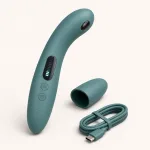
Temperature-Display Curved Vibrator
August 14, 2026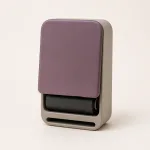
Compact Wall-Mounted Liner-Roll Dispenser
August 14, 2026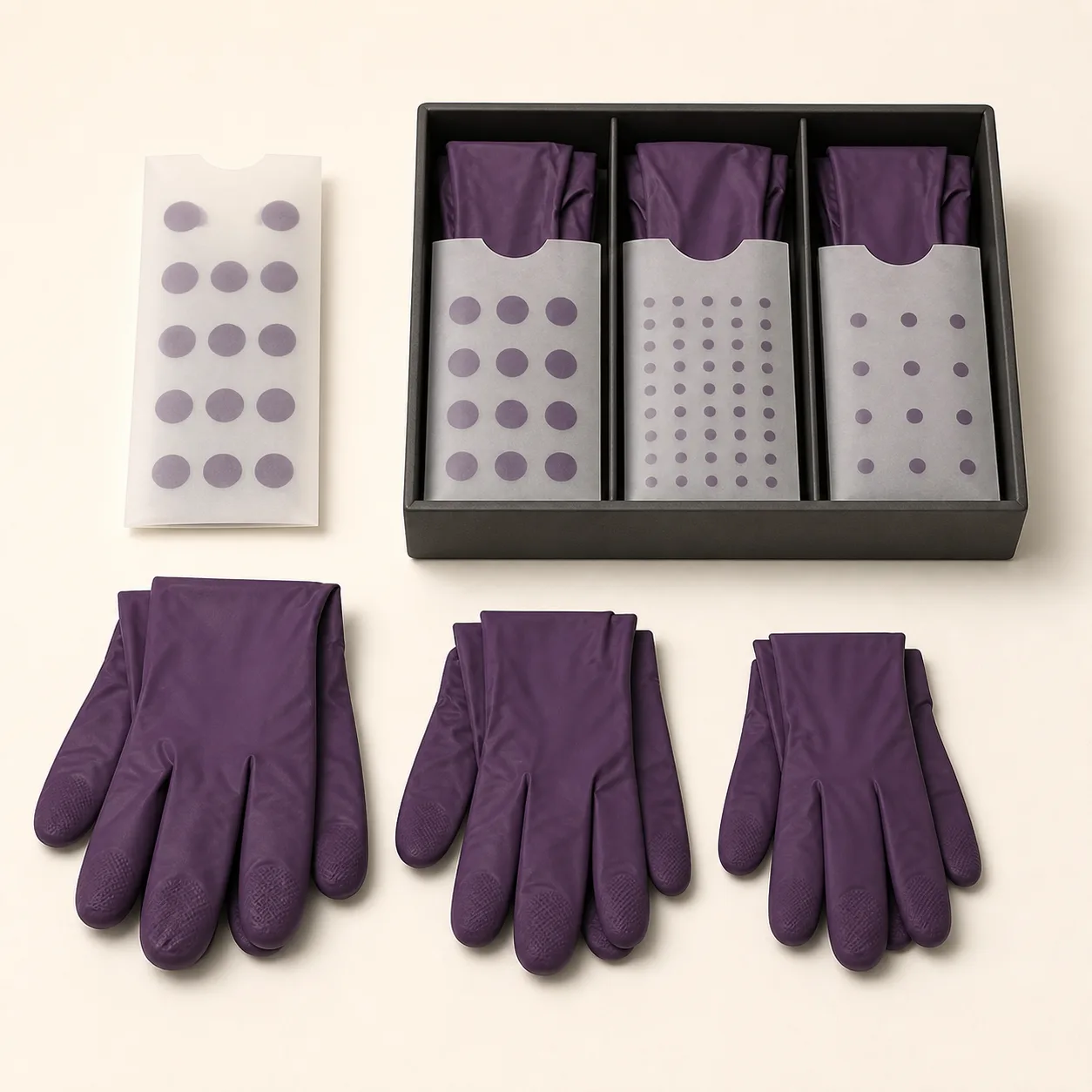
Three-Size Single-Use Nitrile Care Glove Trial Pack
A three-size single-use nitrile glove trial-pack concept for checking care-task fit, with pattern-coded sleeves and cautious barrier guidance.
7,99 $
200 in stock
A trial pack can identify fit before a full box is opened
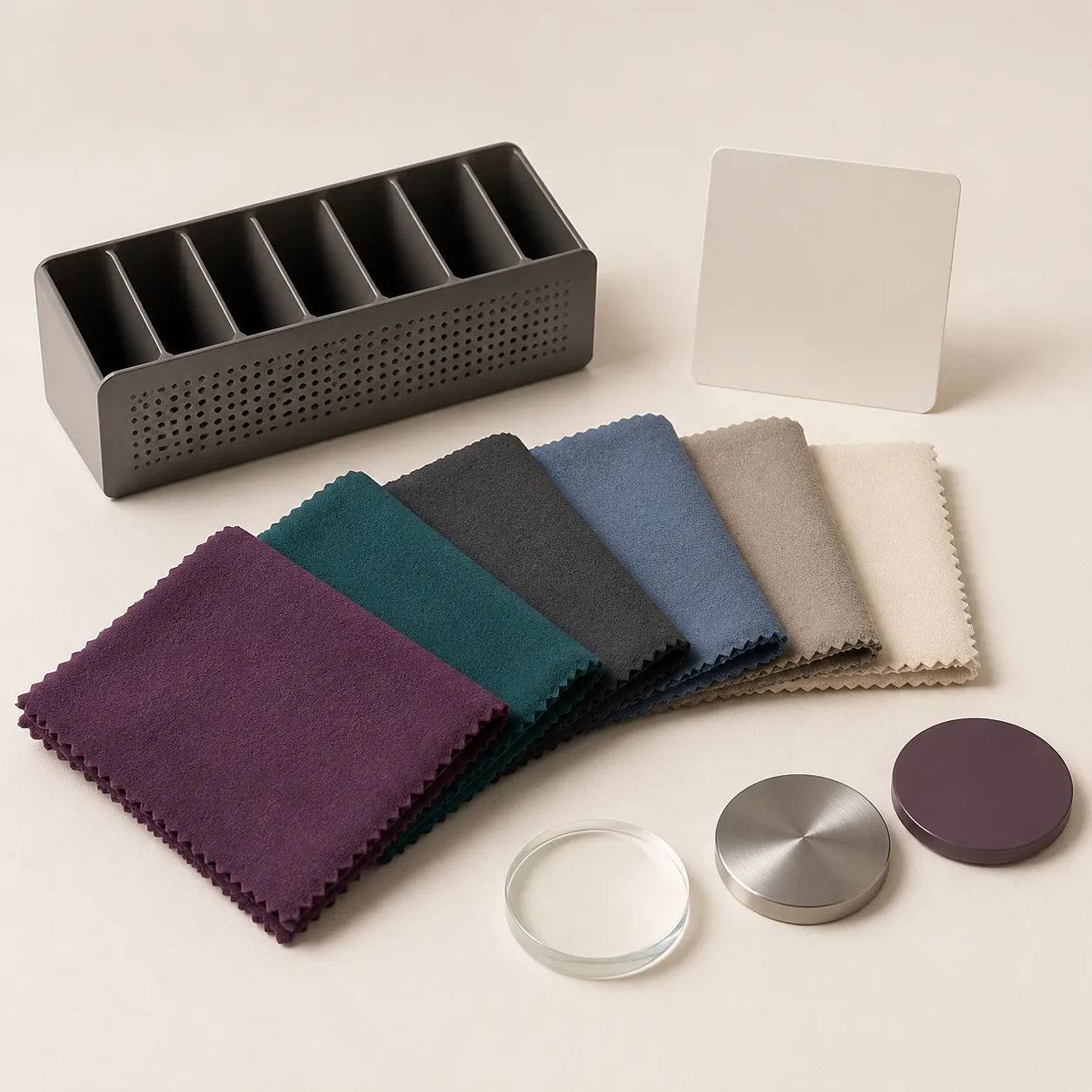
The nitrile care glove trial pack concept groups three size pairs so an adult can compare finger reach, palm tension and cuff stability during dry product-care movements. Pattern-coded sleeves keep unused pairs separate without printing intimate task names.

Each glove is intended for one care session only after the correct size and chemical suitability are confirmed.
A glove reduces direct contact but does not create a clean process
Hands, tools, work surface and product still need the hygiene sequence specified by their manufacturers. A glove can carry residue from a bottle, drawer handle or phone to the item, so separate clean and used zones before starting.
Never treat an intact-looking glove as proof that contamination was controlled.
No sterile, medical or certified protection claim is made
The sourcing category uses examination and safety language, but this trial-pack concept is not presented as sterile, surgical, medical, food-safe or certified PPE. Documentation, intended-use classification and repacking cleanliness must be verified for the final supply chain.
Use task-specific certified protection whenever a cleaner label requires it.
Choose the size that moves without strain or looseness
Fingers should reach the tips without excess empty film, while the palm should open flat and the cuff should stay in place. A glove that pulls tightly across the knuckles can tear; a loose glove can snag on a zipper, cable or textured product.
Compare both hands because their dimensions may differ.
Inspect every glove before it touches care supplies
Under bright light, check the cuff, finger webs and fingertips for pinholes, thin spots, fused folds, embedded particles, discoloration or tackiness. Inflate only if the supplier approves a method that will not contaminate or overstress the film.
Discard any questionable piece without trying to patch it.
Clean and dry hands before donning
Wash according to the relevant hygiene guidance and dry completely, paying attention between fingers. Jewelry, sharp nails and damp skin can make donning harder and may damage thin film.
Do not apply oil, lotion or sanitizer unless compatibility with the glove and task is confirmed.
Don the glove by handling the cuff
Open the cuff without snapping it, slide the fingers in and ease the material over the palm. Adjust with gentle pulls at the cuff rather than pinching the fingertips or using teeth.
If the glove rolls, twists or produces numbness, remove it and try another verified size.
Change gloves whenever the task boundary changes
Use a fresh pair after touching waste, a phone, a door handle, outer packaging or an incompatible cleaner. Replace immediately after a tear, puncture, sticky feeling, color change or liquid entry.
Do not wash a used single-use glove and continue the session.
Nitrile does not resist every chemical
Permeation depends on formulation, thickness, temperature, contact time and the exact cleaner. The word nitrile alone cannot establish protection from alcohol, bleach, peroxide, solvent, fragrance oil or lubricant.
Check the cleaner safety information and obtain glove-specific compatibility data before use.
Remove gloves without touching the outer surface
Pinch the outside near one wrist, peel the first glove away, hold it in the covered hand, then slide an ungloved finger beneath the second cuff and peel it over the first. Avoid flicking droplets or brushing the cuff against clothing.
Follow local hygiene guidance if the task involves a hazardous substance.
Single-use means one session and one disposal route
Place used gloves directly into the waste stream specified for the cleaner and location. Do not save them for a second task, share them or mix unused sample pairs with opened used sleeves.
Wash hands after removal even when no tear was visible.
Skin reactions require prompt attention
Nitrile formulations can contain accelerators, colorants or other additives that irritate or sensitize some users. Stop use after itching, burning, redness, swelling, rash or breathing symptoms, and seek appropriate medical guidance when needed.
Latex presence, accelerator profile and allergen documentation remain pending.
Store unopened pairs away from heat and chemicals
Keep the sleeves in a cool dry drawer away from direct sun, ozone sources, motors, cleaner vapor, oils and sharp tools. Preserve lot information and expiry details from the original box through any approved repacking process.
A decorative tray must not replace sealed primary packaging.
Incoming inspection should include repacking controls
Measure palm width, finger length, cuff length and thickness across every claimed size. Review lot traceability, cleanliness, pinhole sampling, tensile data, powder and accelerator records, chemical charts, shelf life and packaging integrity.
Quarantine mixed lots, open sleeves, odor, residue, fused gloves, inconsistent color or size labels that cannot be traced.
The source price describes full boxes rather than this trial format
An Alibaba listing from Hangzhou Huarey Textile shows powder-free nitrile gloves at USD 1.30-2.50 per 100-piece box with MOQ 10 boxes. Final formulation, sizes, barrier data and an approved hygienic trial-pack process remain pending.
The procurement reference supports sample inquiry only. The EUR 7.99 plan allows for China-origin freight, multi-size allocation, traceable sleeves, inspection and discreet packing; packed mass, freight, duty, tax, insurance, payment fees and destination terms remain pending.
Frequently asked questions
Are these gloves sterile?
No sterile claim is made, and final classification remains pending.
Do nitrile gloves block every cleaner?
No. Compatibility depends on the exact glove and chemical exposure conditions.
Can one glove pair be washed and reused?
No. The concept is single-use for one defined care session.
How do I choose among the three sizes?
Select the pair that reaches the fingertips, opens flat at the palm and stays secure without tightness or folds.
Are the gloves latex-free?
That claim requires supplier documentation for the selected formulation and production line.
When should a glove be changed?
Change it after a task boundary, tear, puncture, liquid entry, tackiness, color shift, loss of fit or contact with an uncontrolled surface.
Reviews
There are no reviews yet.