


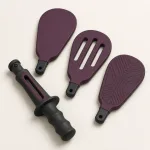
Cross-Pin Three-Panel Sensory Paddle with Flex-Limit Spine
August 14, 2026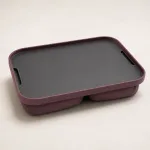
Cushioned Care-Preparation Lap Tray with Raised Edge
August 14, 2026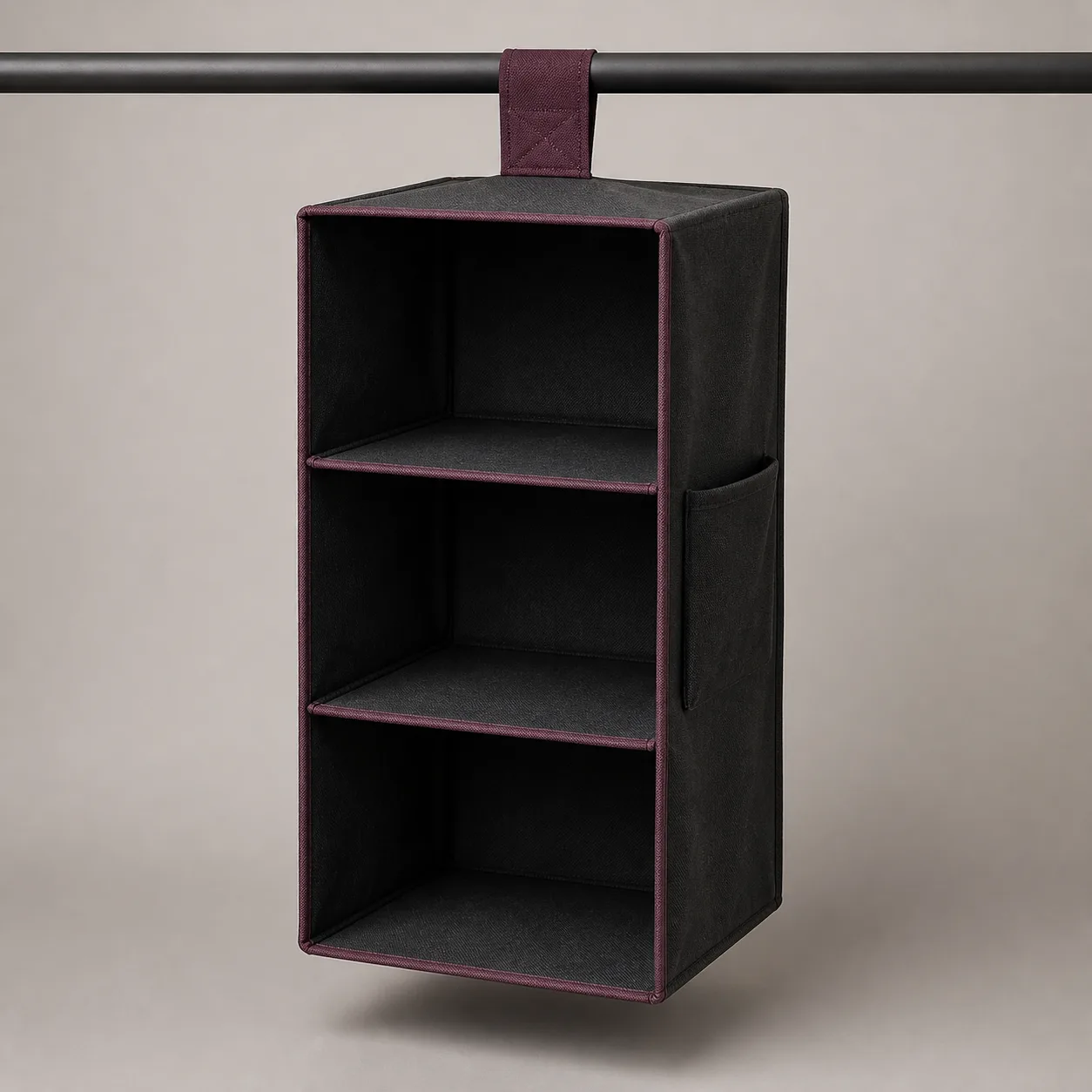
Three-Shelf Hanging Closet Care-Supply Organizer
A three-shelf hanging closet organizer concept for zoning selected lightweight closed care supplies inside a compatible adult-controlled wardrobe.
29,99 $
200 in stock
Turn a measured section of closet rail into a care station
The hanging closet care supply organizer concept divides selected lightweight, closed care supplies across three vertical shelves. It uses rail height instead of a floor stack, helping an adult maintain a deliberate inventory inside a controlled closet.

Open shelves do not provide locking, child resistance, sealed containment or automatic privacy.
Begin with a closet that actually controls access
Select an interior wardrobe that adults can supervise or secure according to the household plan. Avoid shared coat closets, guest storage, utility cupboards and any rail that children or visitors can reach without permission.
The closet door and its hardware must work normally with the organizer installed.
Reserve rod span and vertical clearance on paper first
Measure usable rail length, rail diameter, top clearance, hanging drop, shelf depth and the space above the closet floor. Include adjacent garments, drawers, lighting, vents and door swing in the drawing.
Final loop dimensions and compatible rod profiles require production-sample confirmation.
Read the product image as a configuration proposal
The rendering shows three empty cubbies and a narrow side pocket to communicate scale and zoning. It does not promise a shelf count, rigid panels, supplied fastener, color match, capacity or resistance property.
A signed sample sheet should govern production decisions.
Bench-check the sample before it reaches the closet
Place the organizer on a clean table and inspect the loop, closure, top panel, shelf junctions, binding and side pocket. Look for compressed board, loose thread, sharp fasteners, dye rub, stains, odor or shelves that are not square.
Document defects with the sample batch and do not load a damaged unit.
Hang it empty and confirm a level resting position
Close the attachment exactly as instructed, center the organizer on the reserved span and observe it from the front and side. It should not roll around the rail, press lighting or scrape the closet wall.
Remove it if the rail bends, the loop creeps or the shelves tilt while empty.
Give each shelf one written inventory role
Use separate zones for approved clean cloths, closed care supplies and dry non-powered accessories. Keep each label facing outward, maintain space around every package and record quantities on an inventory card outside the cubbies.
The side pocket should hold only an item shape approved during retention testing.
Control shelf deflection instead of filling available volume
Test one light item at a time, starting on the lowest shelf and balancing weight near the center. Watch the base, side walls, seams, loop and closet rail after each addition.
No shelf, loop, seam, panel or total load limit is assumed until written and physically verified.
Route all liquids to a separate stable tray
An open fabric cubby cannot isolate a leaking cap or absorbent package from neighboring stock. Store liquids elsewhere unless the final material, seam and retention specification passes a defined test with the exact container.
No liquid barrier, washable liner or chemical resistance is claimed.
Retrieve from the center without pulling the shelf edge
Open the closet fully, use adequate light and support the selected item by its body. Keep the other hand clear of the attachment and never use the binding or side wall as a handle.
Pause if a shelf lifts, the organizer twists or another item shifts forward.
Keep the rail usable and the closet ventilated
Leave access to structural brackets, lighting controls and required air paths. Do not crowd the organizer between heavy garments or hang additional objects from its base or side pocket.
It must not cover heat sources, alarms, electrical equipment or building-service access.
Empty every cubby before moving the unit
Count and relocate contents to a clean controlled surface, then release the loop using the confirmed method. Carry the empty organizer by its supported body rather than by a shelf or loose fastener.
Recheck the new rail from the beginning instead of assuming the previous fit applies.
Match cleaning to the verified internal construction
Stiffeners, coatings and hidden boards may react differently from the exterior fabric. Use only the approved spot-clean or wash process and test a hidden binding area for color movement before treating a visible panel.
Do not soak, machine-dry or heat the organizer without written approval for the finished sample.
Use inspections to decide whether it stays in service
At a fixed interval, empty the shelves and record loop wear, seam opening, shelf deflection, odor, stains, color transfer and rail marks. Compare the current shape with the accepted sample photographs.
Withdraw the unit after persistent tilt, torn reinforcement, exposed stiffener, failed closure or residue that cannot be cleaned safely.
Pricing needs freight volume and shelf testing
An Alibaba multi-layer wardrobe hanging storage shelf listing from Zhejiang Naduo Commodity Co., Ltd. shows USD 3.00-3.48 per piece with MOQ 50. The exact shelf count, dimensions, materials, loop design, rod fit and load behavior for this planned product remain subject to written confirmation and sampling.
The procurement reference supports supplier inquiry only. The EUR 29.99 plan allows for China-origin volumetric freight, rail-fit trials, shelf-load checks, colorfastness checks, protective packing and discreet fulfillment; packed size, mass, freight, duty, tax, insurance, payment fees and destination terms remain pending.
Frequently asked questions
Does it include exactly three shelves?
Three shelves define this concept, but the production configuration must be confirmed in the purchase specification and sample.
Will the loop fit any wardrobe rail?
No. Rail diameter, available clearance, attachment dimensions and stability must be checked together.
Can the organizer be locked?
No. It belongs inside a separately controlled closet and does not restrict access by itself.
How much weight can a shelf carry?
Shelf, seam, loop and total loads remain pending supplier evidence and physical testing.
Can the organizer be machine washed?
Only if the final construction and written care instructions explicitly approve that process.
What damage ends use?
Torn seams, a slipping loop, exposed stiffener, permanent shelf sag, color transfer, persistent odor or an affected closet rail all require removal.
Reviews
There are no reviews yet.