


Seahorse-Curve Illuminated Glass Bead Plug
August 14, 2026
Removable Weighted-Core Anal Plug with Self-Leveling Crescent Base
August 14, 2026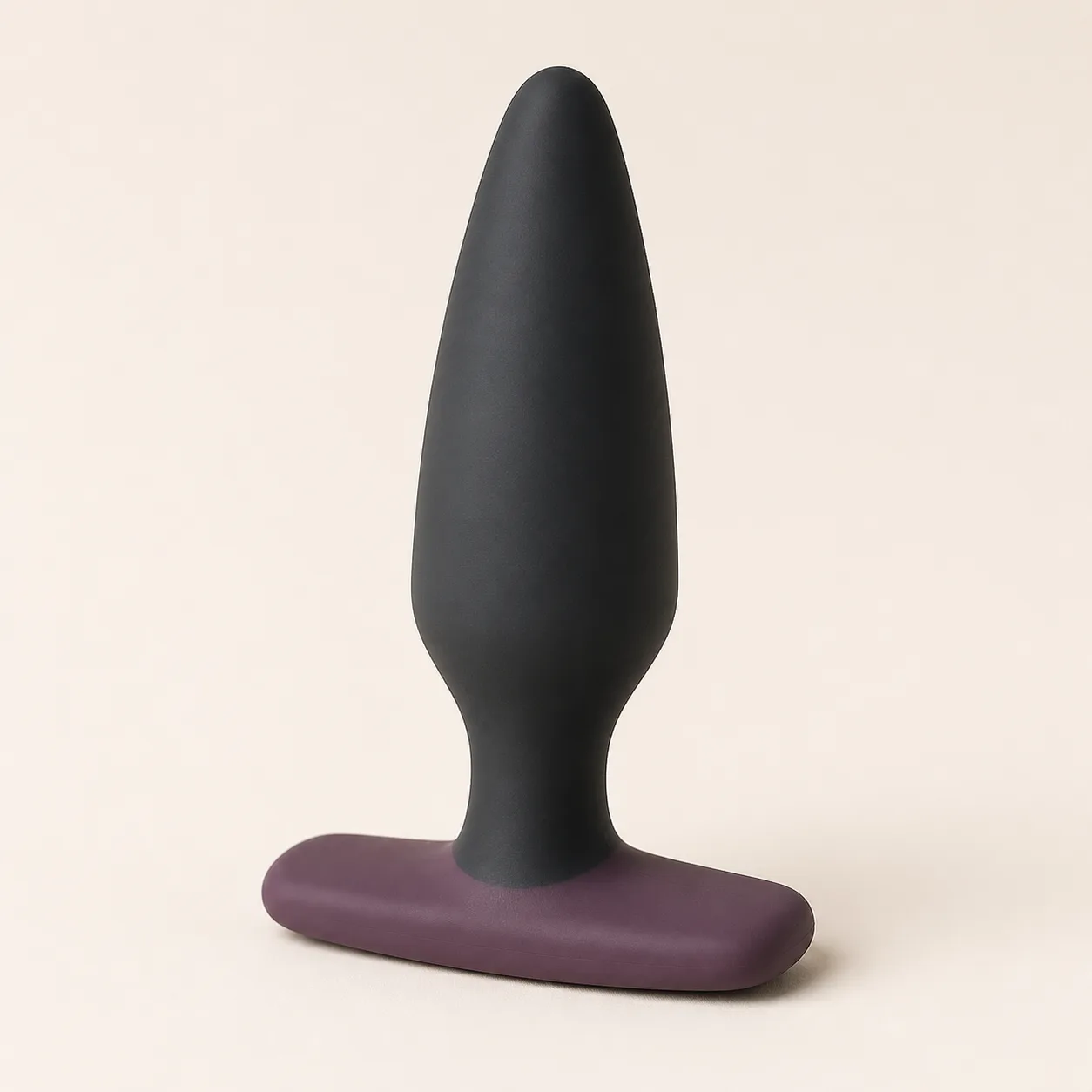
Low-Profile T-Grip Tapered Anal Plug
A compact non-powered tapered anal plug concept with a broad low-profile T-shaped external grip planned around measurable retrieval geometry.
14,99 $
200 in stock
The T grip must stay fully external and easy to identify
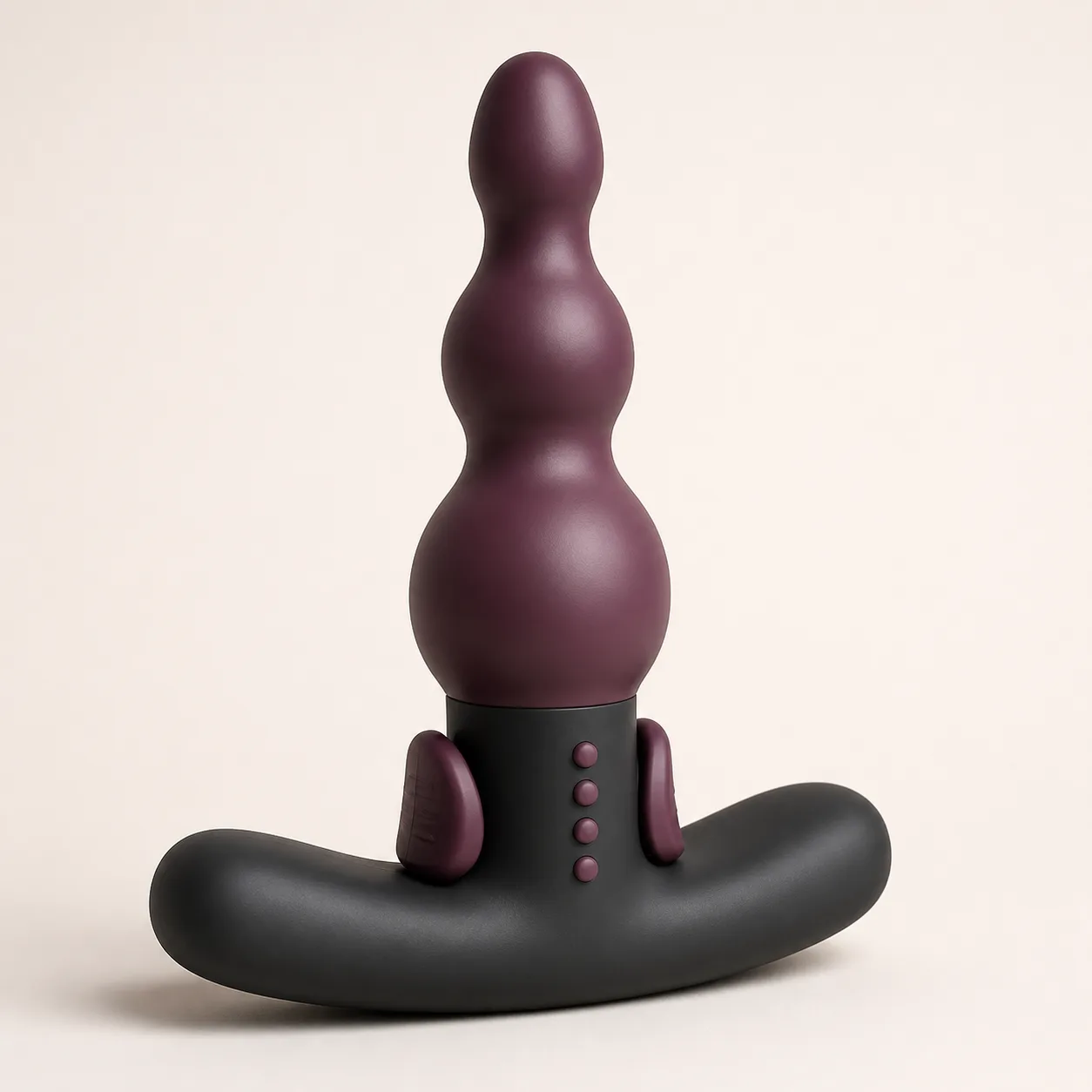
This t grip tapered anal plug concept combines a smooth non-powered taper, narrow neck and a broad low-profile handle. The horizontal grip is intended to remain visible and reachable while providing a distinct removal surface.

The image does not prove retrieval safety. Base span, stiffness, compression and the neck joint must be measured on the production sample.
Choose from verified geometry, not a size label
Record total and insertable lengths, maximum diameter, taper progression, neck diameter and length, and all three T-grip dimensions. Compare those measurements with current experience and a conservative comfort plan.
No beginner, long-wear or universal-fit claim is approved from the listing name or photograph.
Material evidence is required for every body-contact surface
The supplier uses a silicone description, but formulation, hardness, pigments, cure system, odor control, restricted substances and biocompatibility remain unconfirmed. The charcoal and plum colors are catalog choices only.
Approve a batch-linked formulation and physical sample before relying on any material or care statement.
Inspect the tip, taper, neck and T junction
Under bright light, check for cracks, seams, pits, bubbles, tack, discoloration, embedded debris, sharp molding or a thinning neck. Flex the external handle only through the approved test range while watching the joint.
Withdraw the plug from service after any split, permanent bend, peeling, exposed component or unexplained surface change.
Confirm the grip stays broader than the neck under load
Use dimensional gauges and a controlled compression fixture to test how the T ends fold, twist and recover. The grip must not collapse into a profile that could follow the neck inward under expected contact.
Appearance at rest is not enough; record base span in each specified load direction.
Patch-test the selected lubricant
Apply the confirmed lubricant to a production sample for the documented contact time, then clean and dry it. Check for swelling, haze, tack, softening, pigment transfer, odor or a changed grip stiffness.
Use only the compatible lubricant and enough to reduce friction across the full taper.
Begin with the grip orientation planned in advance
Choose a position that keeps both T ends visible and reachable, then identify the straight withdrawal path. Maintain a stable posture that does not place body weight on the handle.
Do not begin if bedding, clothing or furniture can cover, fold or trap the grip.
Use a slow shallow start with no force
Guide the rounded tip with adequate lubricant and pause as the diameter increases. The taper should allow gradual assessment; it does not justify pushing through resistance or discomfort.
Keep at least one hand able to reach the external grip throughout insertion and removal.
Keep the low-profile handle free from seated pressure
A broad T shape can reduce projection, but it is not a seat cushion or weight-bearing structure. Avoid sitting, lying or moving in a way that presses the grip into tissue or causes the neck to lever sideways.
Reposition or remove the plug if either T end rotates out of view.
Use only short actively monitored sessions
No duration claim is established for this concept. Start with a brief period, check sensation and grip access frequently, and remove the product before fatigue, distraction or sleep.
Do not use while driving, exercising, bathing alone or in any setting where immediate removal is difficult.
Remove along the taper without pulling one T end
Stop movement, relax, add compatible lubricant if needed and hold the grip near its center. Withdraw slowly along the entry path while supporting the neck and keeping the handle level.
Do not yank, twist sharply or use one end of the T as a long lever.
Stop for pain, numbness, bleeding or loss of access
These signs require immediate cessation and careful removal. Seek urgent professional help if the product cannot be removed or the handle is no longer accessible, and appropriate medical advice for persistent pain, bleeding, swelling or altered sensation.
This page provides product-handling information and does not make a medical or training claim.
Clean around the complete T-to-neck junction
Follow the confirmed cleaner, water temperature and contact time for the exact production material. Address the tip, taper, neck, top and underside of the T, rounded ends and every molded junction.
Do not boil, bleach, soak, machine-wash or use abrasive tools unless the controlled specification expressly allows that process.
Dry with both sides of the grip exposed
Position the plug so air reaches the neck, T junction, underside and rounded ends. Inspect after drying for moisture, tack, residue, odor, color transfer, cracks or a grip that does not recover its original span.
Store separately without compression, heat, direct sunlight or contact with unverified materials and pigments.
Sourcing must validate the T as a retrieval system
An Alibaba GDLY-046A listing shows USD 0.28 for 10-199 pieces, USD 0.25 for 200-599, USD 0.23 for 600-89,999 and USD 0.18 from 90,000 pieces. Supplier identity, model match, formulation, geometry and all performance claims remain pending.
The procurement reference supports inquiry only. The EUR 14.99 plan allows for China-origin freight, exact-sample measurement, formulation review, grip compression and recovery trials, neck and base pull testing, surface inspection, cleaner and lubricant tests, protective packing and discreet fulfillment; packed size, mass, freight, duty, tax, insurance, payment fees and destination terms remain pending.
Frequently asked questions
Does a T-shaped grip automatically prevent over-insertion?
No. Its span, stiffness, folding behavior and neck joint must pass controlled testing.
Is the product suitable for prolonged wear?
No duration claim is established; use only for brief actively monitored sessions.
Can the T grip be used as a pulling lever?
No. Hold near the center and remove slowly along the taper without sharp leverage.
Can it be used while seated?
Not when seating or body weight would press, fold or twist the external grip.
Which lubricant is compatible?
Use only a lubricant confirmed for the documented production material after a patch test.
When should the plug be withdrawn from service?
After cracks, tack, peeling, neck thinning, permanent grip deformation, color transfer, persistent odor or failed base-recovery and pull tests.
Reviews
There are no reviews yet.