


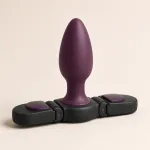
Twin-Lock Fold-Out Wing Anal Plug with Fixed Tapered Shaft
August 14, 2026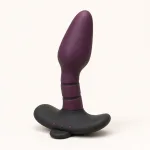
Three-Zone Flex-Neck Anal Plug with Broad Crescent Safety Base
August 14, 2026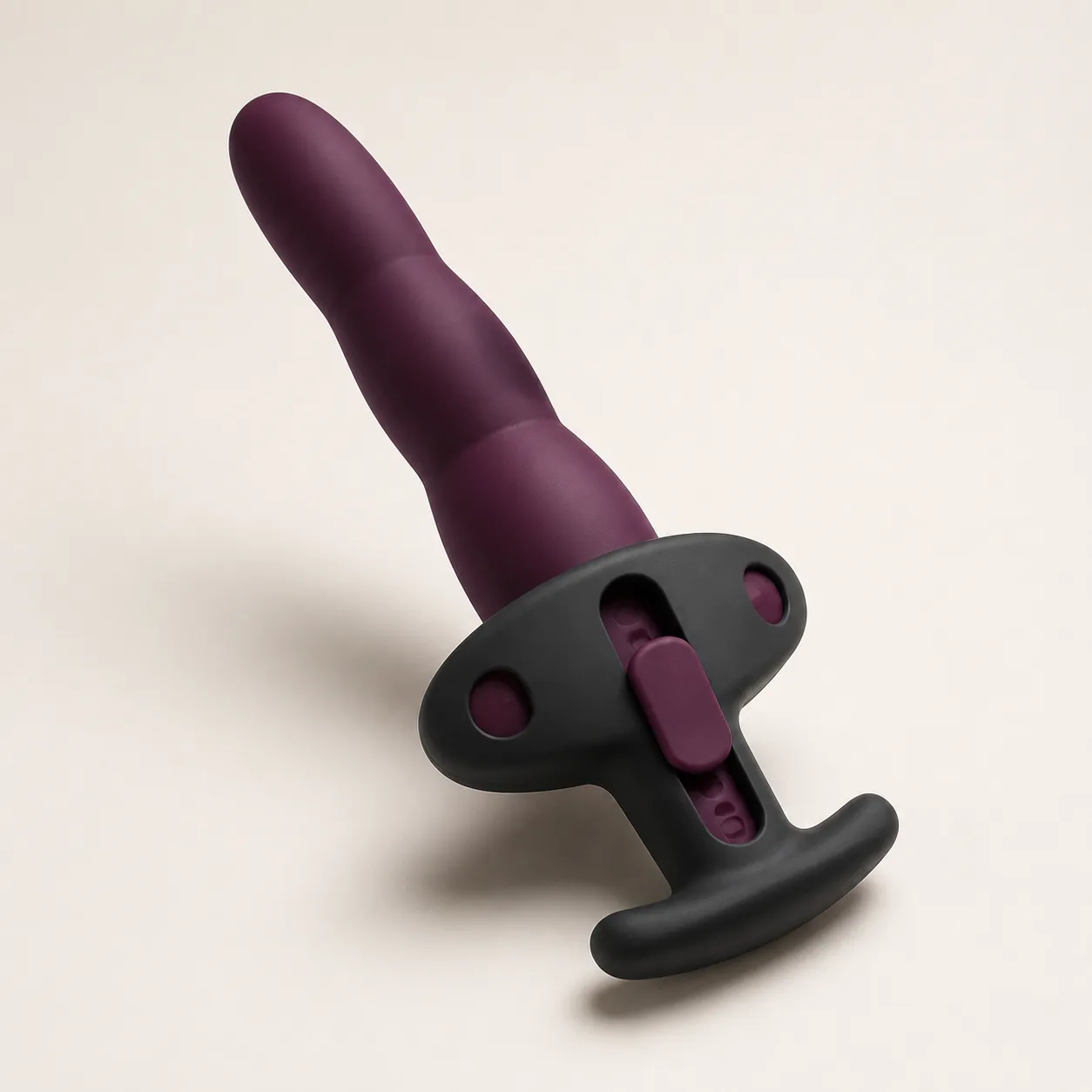
Captive Sliding-Guard Curved Anal Wand with Four Depth Detents
A non-powered curved anal training wand concept with three smooth contour zones, a permanently captive broad sliding guard, four visible depth detents and a fixed T retrieval handle.
25,99 $
200 in stock
A captive guard sets a visible maximum depth
This sliding guard anal wand concept combines a smooth curved three-zone shaft with an exceptionally broad oval guard that remains permanently trapped between the shaft and a fixed T retrieval handle. Four recessed detents are intended to provide separately verifiable depth settings.

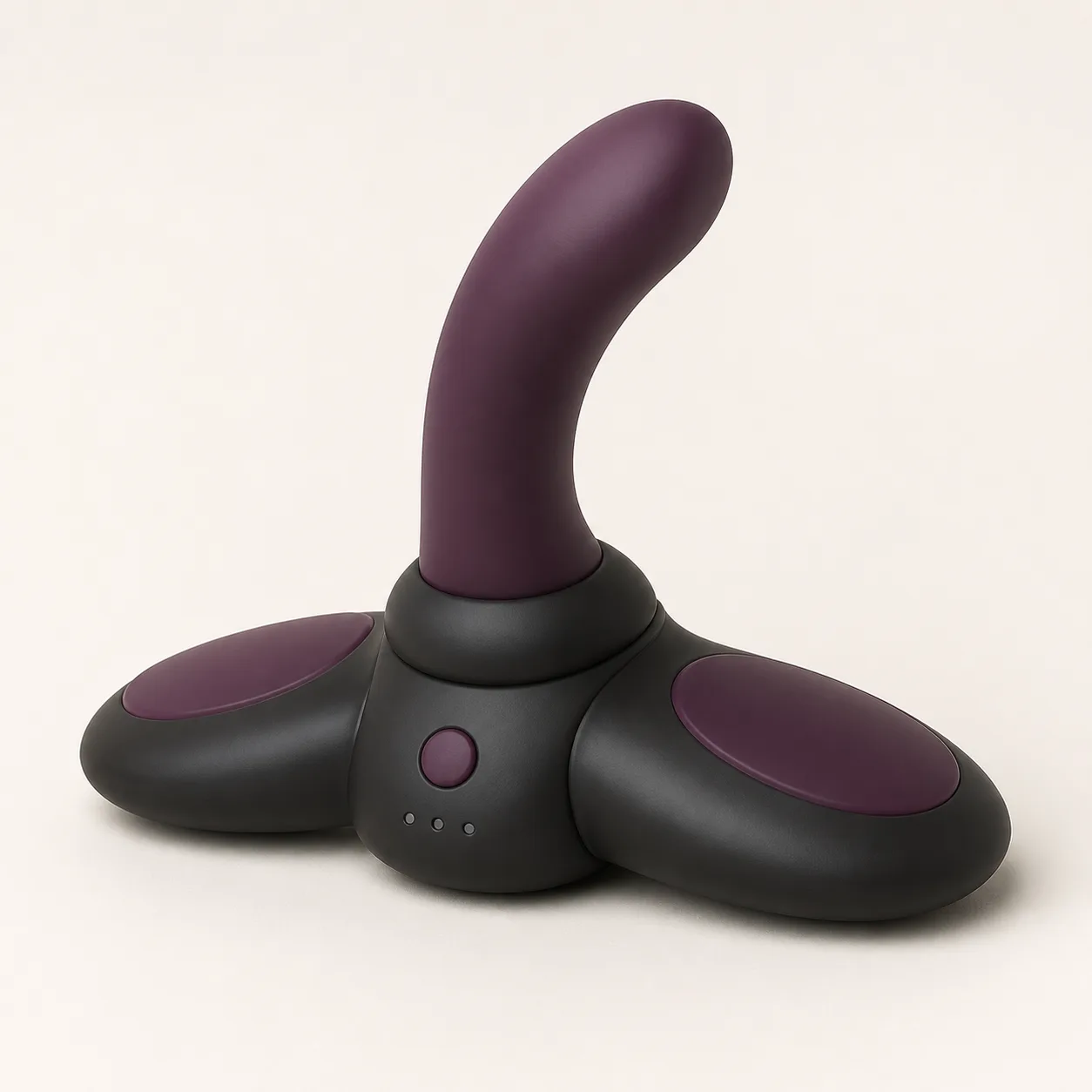
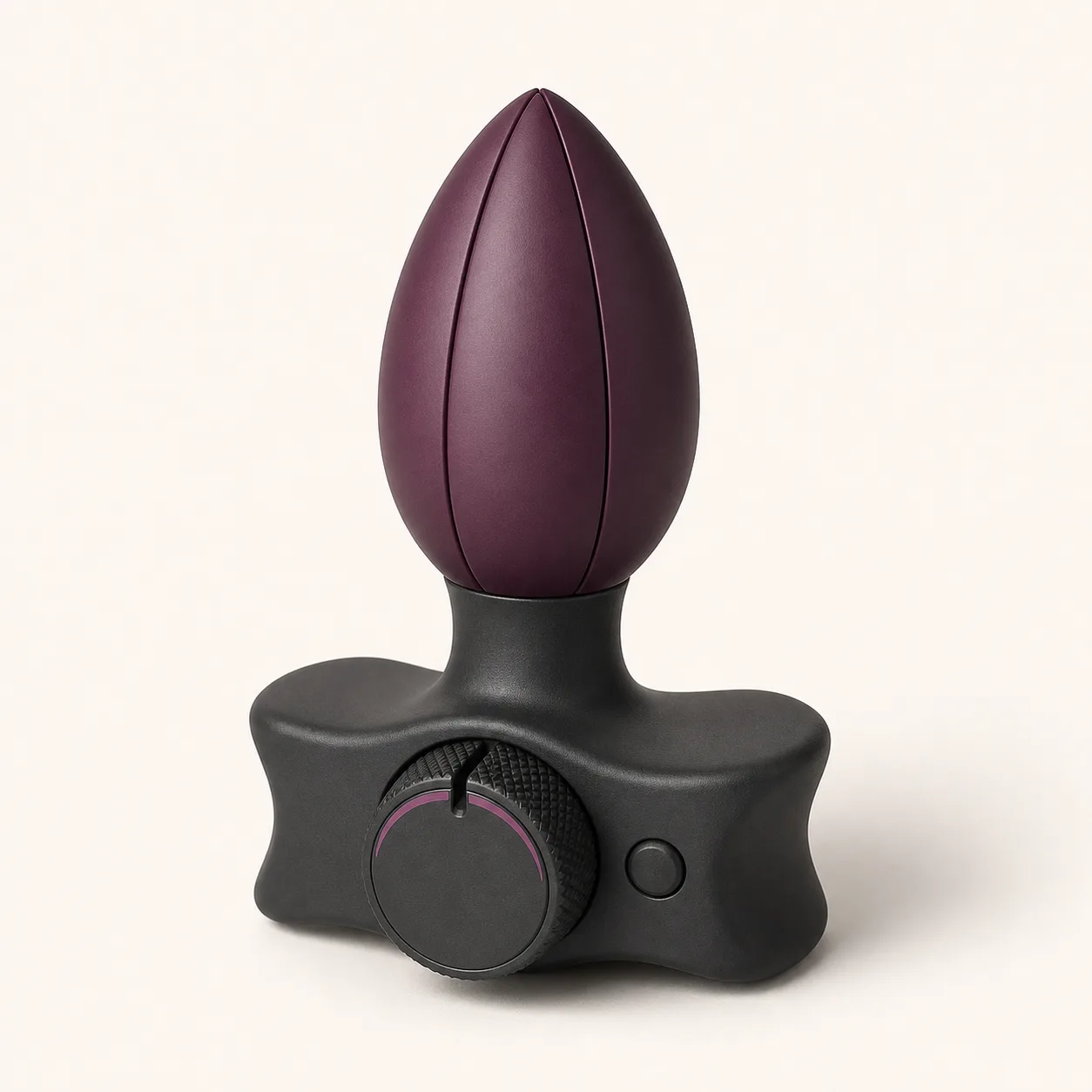
The image does not establish safe dimensions, fit, guard retention, material or approved depth.
Document the entire captive adjustment path
Request drawings and a component list for the tip, contour zones, internal core, guide channel, four detents, captive guard, carriage, flip lock, latch, spring, inspection openings, end stops, T handle, reinforcements, pigments, lubricants and adhesives.
Confirm that ordinary adjustment cannot release the guard from either end and that no service seam can open during use.
Measure shaft and retrieval geometry together
Record total and usable length, tip radius, curve, diameter at every contour peak and valley, guide dimensions, guard span, width, thickness and edge radius, handle span and the centerline-to-edge distance in every direction.
Compare the minimum external guard footprint with the maximum shaft width at every detent using direct measurements.
Map all four depth detents independently
Move the clean, dry, unloaded guard through each position and measure the distance from the tip to the guard face. Record carriage travel, lock movement, tactile engagement, window visibility and unused guide length.
A position must be excluded if the lock can sit between detents or if two settings appear identical through the inspection opening.
Challenge false seating and lock rebound
Close the flip lever slowly, quickly and with gentle off-axis pressure on a fixture. Check latch depth, lever height, spring rebound and whether the guard moves after a documented low-force pull.
Reject a proud lever, partial latch, sticky spring, hidden detent or any state that looks closed before full engagement.
Verify carriage retention in both directions
Apply capped axial loads to the locked guard from the shaft side and handle side at every detent. Record slip, carriage tilt, channel spread, latch creep, window distortion and permanent change.
The weakest detent, latch, carriage, guide or stop limit governs the complete product.
Test off-axis forces across the oval guard
Use an instrumented compliant fixture to apply small downward, upward and twisting forces near each rounded guard end. Observe guard roll, edge lift, carriage skew, shaft bending and handle movement.
A broad outline must remain externally retrievable under asymmetry, not only under a centered pull.
Inspect the guide channel for pinch and residue
Probe the complete guard travel with standardized soft film, hair and textile fixtures while the product is outside the body. Examine the lever hinge, windows, carriage edges, detent recesses and both end stops.
Reject closing gaps, sharp window rims, exposed hard parts or recesses that cannot be seen, wiped and dried.
Keep adjustment outside the body
Select and lock the depth while the product is clean, dry, unloaded and fully visible. Inspect the detent through the window and perform the documented gentle empty pull check before contact.
Never release the flip lock, slide the guard or select another detent while the product is fitted.
Use the fixed T handle for controlled access
Keep the crossbar and full guard unobstructed, use compatible lubricant and proceed slowly within the verified setting. Avoid positions where fabric, furniture or body weight can push the lever, cover the windows or tilt the guard.
Stop for pain, numbness, coldness, color change, swelling, bleeding, loss of sensation, guard motion or difficulty maintaining access.
Plan withdrawal without touching the lock
Reduce tension, hold the fixed retrieval handle as documented and withdraw slowly along the shaft path. Keep the guard locked at the chosen detent until the product is fully outside the body.
If removal is painful, obstructed or resisted by a moving guard, stop pulling and seek appropriate professional assistance.
Cycle the shaft, guard and handle junctions
Run low axial, lateral and twisting fixture cycles at every detent. Inspect the shaft root, guide ends, carriage, latch, guard center and handle junction for whitening, tearing, cracking, separation, rotation and permanent set.
A strong guard cannot compensate for a weak fixed handle or shaft-to-guide connection.
Verify soft and mechanical material layers
Obtain exact compositions for the contact surface, internal core, guard, carriage, lever, latch, spring, windows, reinforcements, handle, pigments, lubricants and adhesives. Review hardness, tear, fatigue, corrosion, restricted-substance and skin-contact evidence.
Silicone, body-safe, medical-grade, hypoallergenic and waterproof claims remain pending until exact-model evidence supports them.
Clean every detent with the guard unloaded
After removal, unlock and slide the empty guard only as needed to expose the shaft, guide, detents, carriage edges, windows, lever, guard faces and handle junction. Follow the confirmed wiping and drying procedure, then relock for storage.
Immersion, boiling, dishwasher use, alcohol, bleach, oil, high heat and mechanism disassembly require specific material and corrosion evidence.
Price the retained mechanism above a fixed wand
An Alibaba hollow tunnel anal-plug listing currently shows USD 9.68 for 1-50 pieces, USD 9.18 for 51-100 and USD 8.18 for 101 or more. It is a category benchmark only and does not confirm this captive sliding guard, curved solid wand or approved supplier.
The procurement reference supports an EUR 25.99 planning price after allowing for China-origin freight, exact depth and retrieval geometry, four-detent mapping, false-seat and rebound checks, bidirectional and asymmetric retention, guide pinch inspection, junction fatigue, material review, cleaning validation, protective packing and discreet fulfillment. Exact quotation, packed dimensions, weight, freight, duty, tax, insurance, payment fees and delivery terms remain pending.
Frequently asked questions
Can the guard be removed from the wand?
No user-removable guard is assumed; it is intended to remain captive between the shaft and fixed handle.
May the depth be changed during use?
No. Select, inspect and lock one detent while the product is empty and fully visible.
Why are there inspection openings?
They are intended to make latch and detent seating observable, but their accuracy needs sample validation.
Does the broad guard provide a load rating?
No. Its retrieval geometry and low-load retention require testing, and no suspension or body-weight use is included.
Can the guide be lubricated?
Only if the confirmed instructions specify a compatible mechanism lubricant and exact application method.
Which faults require retirement?
A torn shaft, loose handle, lifting guard, bent carriage, sticky lever, cloudy window, partial latch, enlarged channel, cracked stop, corrosion or residue beyond cleaning access.
Reviews
There are no reviews yet.