


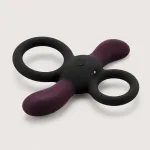
Dual-Loop Rechargeable Wearable Massager
August 14, 2026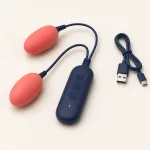
Dual Wired Egg Vibrator with Hand Controller
August 14, 2026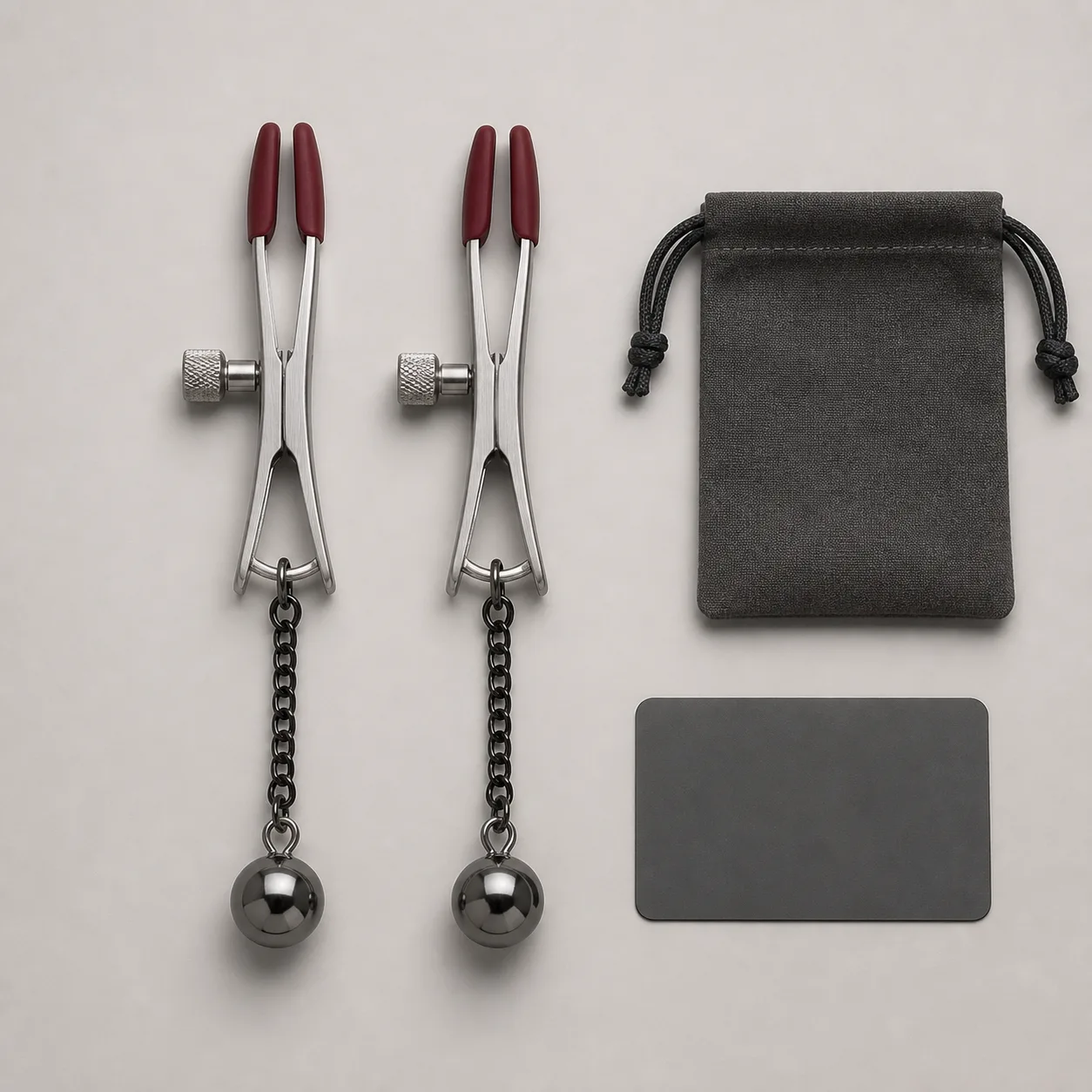
Twin-Drop Adjustable Weighted Sensory Clamps
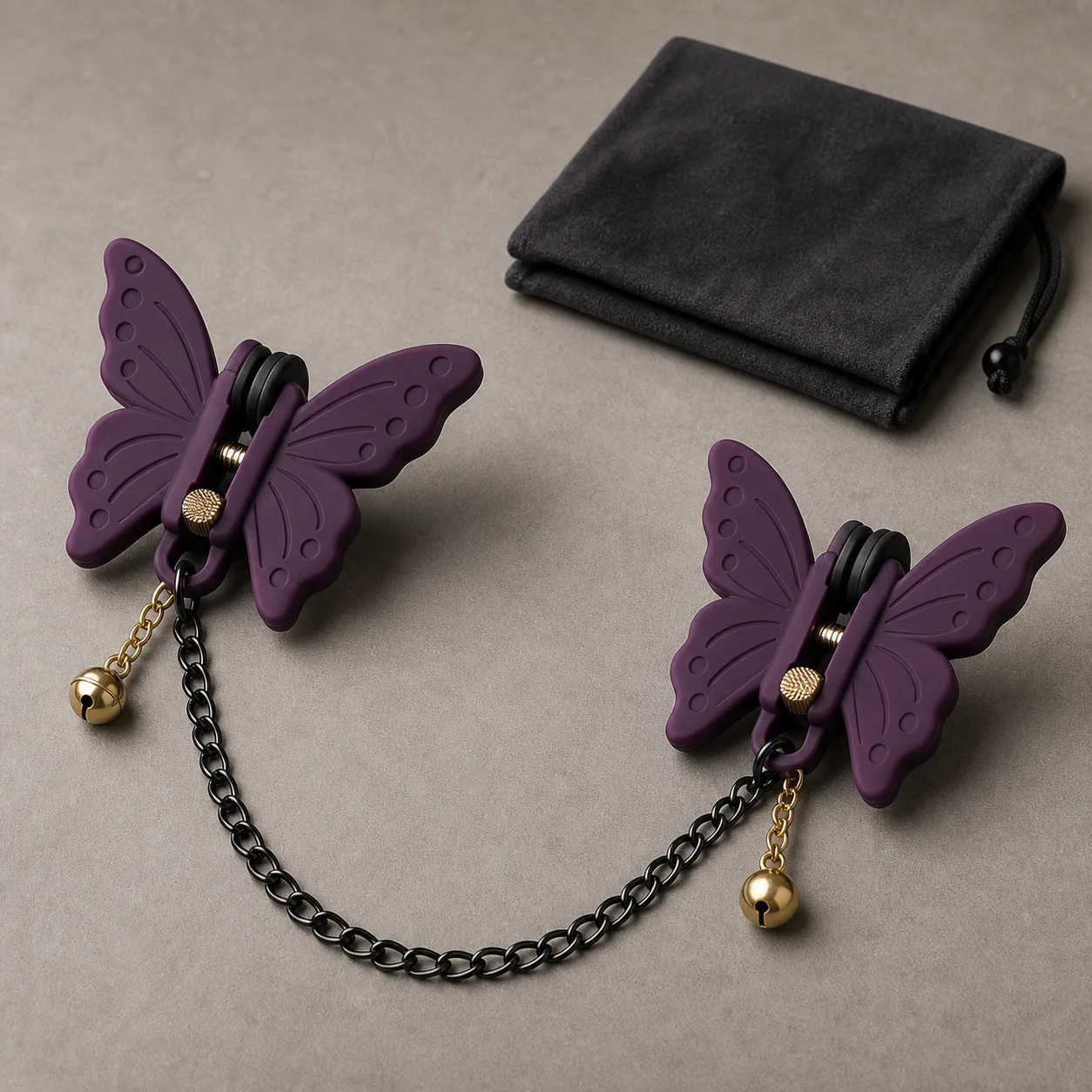
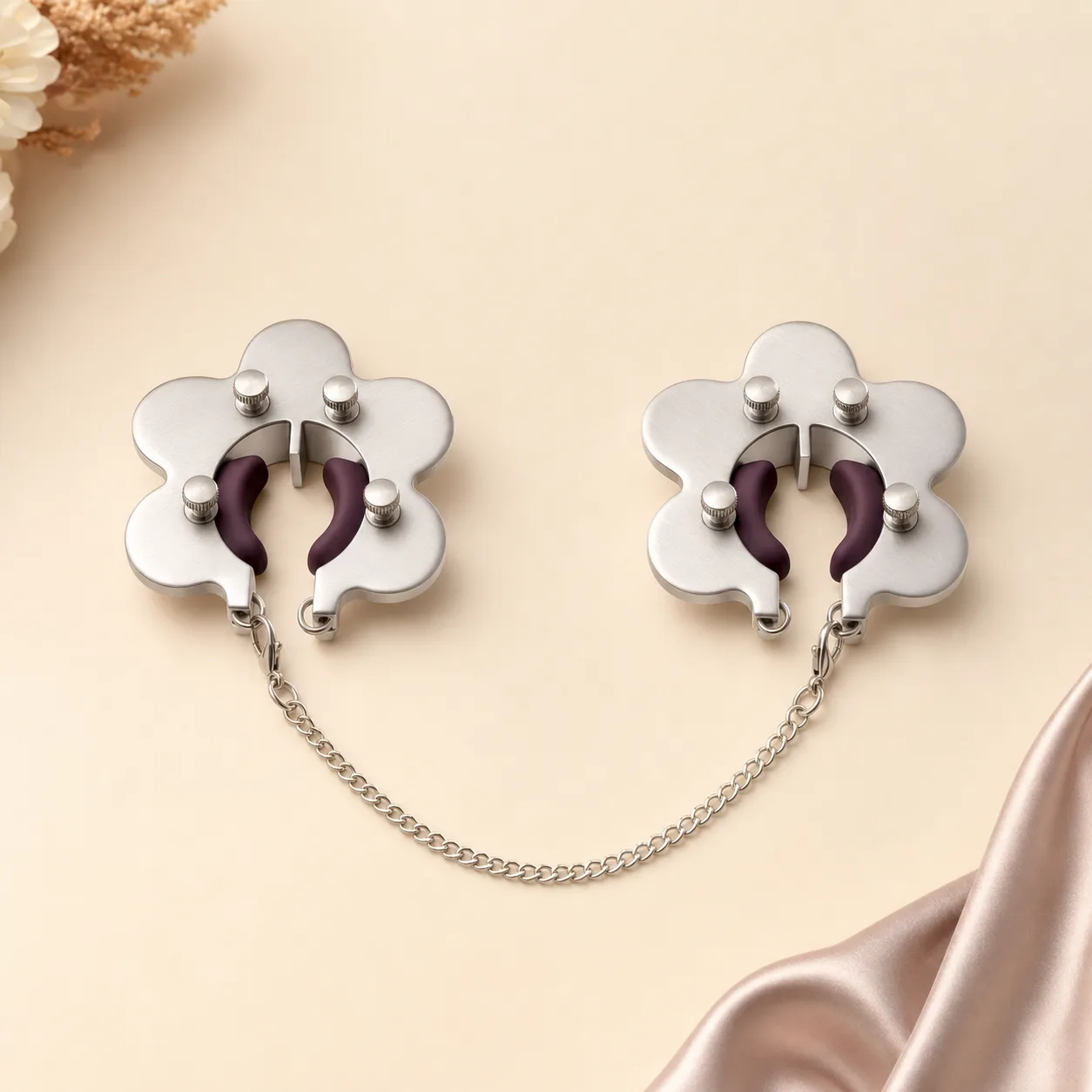
A matched pair of adjustable sensory clamps with burgundy contact pads, screw-set pressure, short black chains and individual dark chrome ball drops.
24,99 $
200 in stock
Pressure and hanging load are two separate controls
The adjustable weighted sensory clamps concept pairs slim silver clamp bodies with burgundy contact pads, knurled screw adjusters, short black chains and one dark chrome ball drop per side. A charcoal storage pouch and blank inspection card keep the presentation focused on measured setup rather than decoration.

The image establishes layout only. It does not confirm force, weight, dimensions, metal, coating or suitability for a particular body area.
Set clamp pressure before attaching any hanging mass
Bench-check each screw through its full usable travel and identify the widest, lowest-pressure position. The adjuster should move smoothly without binding, wobble or a sudden jump in jaw spacing.
Establish a stable low-load fit first. Adding a weight to compensate for a loose clamp creates an uncontrolled combination and is not an acceptable adjustment method.
Every drop weight needs a verified mass and secure connection
Weigh each ball, chain and connector separately, then compare the complete left and right assemblies. Confirm the attachment ring cannot open under the intended static load and that no sharp edge appears where links meet.
Ball mass, chain length, connector rating and allowable load remain pending for the exact production sample.
Contact pads decide how force reaches the skin
Inspect the burgundy pad surfaces for uniform thickness, rounded edges, secure bonding and even meeting faces. A soft-looking cover can still conceal a hard edge, raised seam or narrow pressure ridge.
Pad composition, plasticizer profile, colorfastness and cleaning compatibility require supplier documentation and sample testing.
A paired bench comparison catches asymmetric hardware
Place both clamps at the same measured screw position and compare jaw opening, closing force, hinge alignment and pad contact. Repeat after the hanging assemblies are fitted, watching for one body twisting sooner than the other.
Quarantine a pair with mismatched adjusters, uneven pads, loose chain rings, plating defects or visibly different drop masses.
First fit is a short stationary observation
Use only on healthy external tissue while awake, stationary and able to stop immediately. Begin without the weights, at the widest confirmed setting, and check that both clamps release cleanly with one hand.
After a stable light-pressure fit is established, attach only the validated load and keep the first interval brief enough for frequent visual and sensation checks.
Motion turns a static drop into changing momentum
Walking, swinging the chain or changing posture can make the ball accelerate and shift force toward one edge of the pad. A weight that feels manageable at rest may become sharply uncomfortable in motion.
Do not use while exercising, driving, sleeping, standing on unstable surfaces or during activities that can snag a chain.
Circulation and sensation signs outrank any planned duration
Remove the clamp at once for numbness, coldness, strong color change, swelling, sharp pain, loss of sensation or discomfort that continues after release. Do not tighten further when normal sensation begins to fade.
People with fragile skin, circulation disorders, clotting concerns, reduced sensation or medicines that increase bruising should seek individual clinical advice before clamp use.
Jewelry and compromised tissue need a clear exclusion
Do not clamp across piercings, jewelry, cuts, rashes, infection, unexplained lumps, recent procedures or tissue that is bruised or healing. Metal jewelry can concentrate load and interfere with an immediate release.
If placement cannot avoid an affected area completely, do not use the product there.
One-hand release must work under the full planned load
Practice opening each clamp on a bench while its chain and ball are attached. Fingers should reach the correct control without grasping the weight, pulling the chain or rotating the jaw against tissue.
Keep a second person within reach for partnered use, but never make another person or a remote instruction the only release plan.
Cleaning should not trap liquid in screws or chain links
Detach removable weights only when the confirmed assembly instructions permit it. Wipe pad faces and clamp bodies with a compatible method, then work around the screw, hinge, rings and every chain link without immersing unverified plated hardware.
Dry all recesses before reassembly. Discoloration, flaking, rust, odor, swelling pads or gritty screw movement means the set should be withdrawn from use.
Storage should keep the pair separated and unloaded
Place dry clamps in the pouch with the screws relaxed and the ball drops wrapped so they cannot strike or scratch the metal bodies. Keep the blank inspection card outside any oily accessory.
Store away from humidity, heat, direct sunlight, children, pets and loose items that may tangle in the chains.
Incoming quality control combines force, mass and finish checks
Define gauges for jaw opening, screw travel, closing force, pad alignment, ball mass and chain length. Add static connector loading, plating inspection, color-transfer checks and repeated release cycles.
Lot records should link every accepted pair to supplier, batch, inspection date and measured tolerances; none of those acceptance limits are yet approved.
The supplier range is a sourcing lead rather than a model specification
An Alibaba supplier guide lists Jiangxi Luuk adjustable screw clamps and weighted-chain products at USD 3.00-7.50 with an indicated MOQ of 100 pieces. It does not establish that the pictured concept matches a currently orderable model.
The procurement reference supports supplier inquiry only. Exact entity, model, quote tier, materials, plating, force, mass, packaging and compliance evidence remain pending written confirmation.
The preview price reserves room for measured sample approval
The EUR 24.99 plan includes a provisional China-origin freight allowance plus clamp-force, pad, mass, connector, finish, cleaning and packaging review. Actual packed weight, freight, duty, tax, insurance, payment fees and destination terms remain pending.
No purchase commitment should be made until the sample and commercial documents agree.
Frequently asked questions
Should the drop weights be fitted during the first clamp test?
No. Establish a stable low-pressure fit and immediate release with the clamps unloaded before adding any validated mass.
Are the balls made from stainless steel?
No metal identity is confirmed. Base metal, coating, corrosion resistance and ball mass require model-linked evidence.
Can the screws be tightened until the clamps stop moving?
No. Fit must preserve normal sensation and circulation; instability should be solved by stopping and reassessing, not by uncontrolled tightening.
Can the pair be worn while walking?
That is not recommended because chain movement changes momentum, loading and snag risk.
May the complete set be soaked for cleaning?
No immersion method is approved for unverified plated hardware, pads, screws and chain connections.
Why is the planned price higher than the supplier range?
The source figure excludes confirmed freight and the inspection work needed to approve force, mass, finish, cleaning and packaging.
Reviews
There are no reviews yet.