



Hexa-Facet Tapered Suction-Base Dildo
August 14, 2026
BlueRabbit BR-NX0189 Open-Ended Vibrating Stroker
August 14, 2026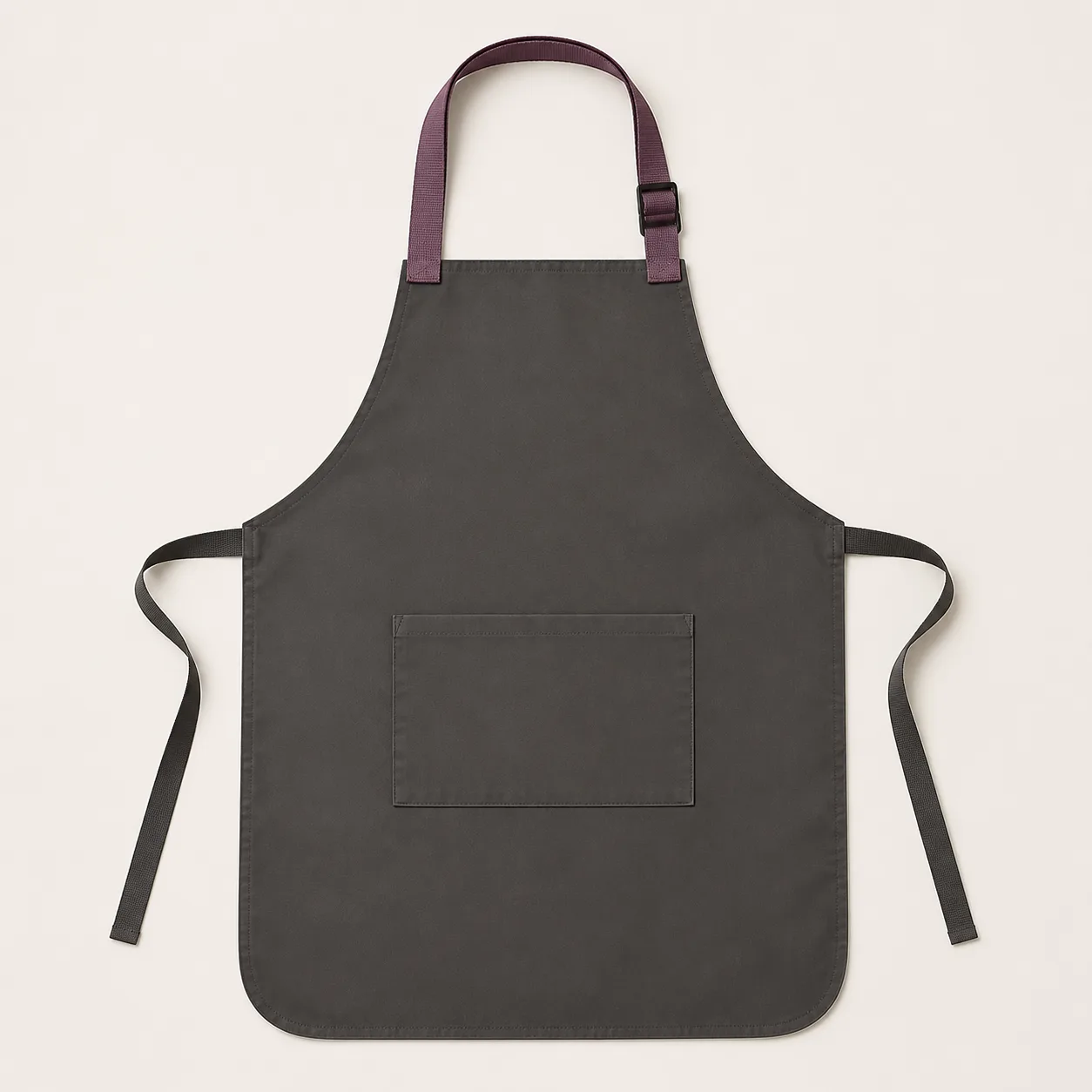
Adjustable Care Apron with Front Pocket
An adjustable bib-style care apron with waist ties and a front pocket for organizing routine low-risk product-care work.
16,99 $
200 in stock
A dedicated apron can define the clothing side of a care routine
The adjustable care apron concept creates a visible work layer for routine product cleaning and organization. Its bib shape, neck adjustment, waist ties and front pocket are intended to keep a consistent garment at the care station rather than mixing the task with everyday clothing.

The apron is an organizational garment, not certified personal protective equipment.
Choose the task before relying on a clothing layer
Review the cleaner label and the item’s care instructions before starting. Routine low-risk work may call for an apron to reduce incidental contact with dust or small cool splashes, but the final barrier performance has not been established.
Use the specific protective equipment required by the substance and procedure.
Exclude chemical, heat and biological hazards
Do not rely on this apron for corrosive cleaner, solvent, hot liquid, flame, steam, batteries, sharps, aerosolized material, blood or potentially infectious residue. Those conditions require a documented risk assessment and purpose-rated equipment.
No chemical-resistant, flame-resistant, medical or infection-control claim is made.
Inspect the garment before dressing
Lay it flat under good light and examine the bib, coating, seams, strap attachments, buckle, ties and pocket. Stop after a tear, cracked surface, loose stitch, sharp buckle edge, detached strap, persistent odor or unknown stain.
Check both sides because a damaged backing can be hidden when the apron is hanging.
Adjust the neck strap before tying the waist
Set the bib high enough to cover the intended clothing area without pressing against the throat. The strap should lie flat and allow normal head, shoulder and arm movement.
Do not tighten around the neck to compensate for an oversized body panel.
Tie the waist where the ends remain visible
Bring the ties around without crossing cables, pockets or loose garments, then use a knot that can be released promptly. Keep the ends away from sink water, pedals, drawer handles and floor traffic.
Never wrap excess tie length repeatedly around the body or attach it to furniture.
Run a movement check before opening cleaner
Reach toward every planned part of the workstation while the containers remain closed. Confirm that the apron does not ride into the neck, restrict breathing, expose a trip-length tie or catch on a table corner.
Adjust the station or choose another size when safe movement cannot be maintained.
Keep the pocket limited to clean lightweight items
The front pocket can organize an unused cloth, record card or another dry lightweight item after sample capacity is confirmed. Empty it before any wet task and before removing the apron.
Do not carry cleaner bottles, batteries, sharp tools, hot items, used wipes or contaminated components in the pocket.
Protect the apron from snagging equipment
Keep the bib and ties clear of fans, powered brushes, rotating tools, hinges and charging equipment. A loose garment can draw a person toward a moving part even when the task appears small.
Disconnect and secure equipment before working near any mechanism.
Respond to a splash according to the liquid involved
Stop the task, step away from powered equipment and follow the substance label. Remove the apron without pulling the wet outer face across skin or clothing, then isolate it for the approved cleaning or disposal decision.
A surface that looks dry can still hold residue along seams and pocket corners.
Remove the waist ties before the neck strap
With clean hands or the protection required by the task, release the waist knot and let the ties fall forward without touching the floor. Lift the neck strap away while keeping the work face turned inward.
Do not shake, snap or fold a soiled apron against clean supplies.
Separate the apron from personal laundry until assessed
Read the final care label and identify the residue before washing. Some cleaners can damage coatings, transfer to other textiles or require disposal rather than a household wash cycle.
Never combine an unknown contaminated garment with towels, bedding or clothing.
Wash only by the confirmed method
Water temperature, detergent, agitation, rinse steps, machine suitability and maximum cycles remain pending. Avoid bleach, solvent, sanitizer, fabric softener, tumble heat and ironing unless each is explicitly approved for the final material.
Record any change in odor, flexibility, color or seam shape after cleaning trials.
Dry fully without creating a trip or heat hazard
Hang the apron in an adult-controlled ventilated area on a support that does not distort the neck strap. Keep both faces open to air and the ties off the floor.
Do not place it on a radiator, near flame, in direct sun or over operating electrical equipment.
The supplier reference needs care-work qualification
An Alibaba large-pocket adult cleaning-apron listing from Zhejiang Lina Household Products shows USD 0.70-0.86 per piece with MOQ 100 pieces. Textile, coating, dimensions, strap range, pocket strength, wash method and protective performance require written confirmation and testing.
The procurement reference supports sample inquiry only. The EUR 16.99 plan allows for China-origin freight, fit and seam checks, cleaning trials, protective packing and discreet fulfillment; packed size, mass, freight, duty, tax, insurance, payment fees and destination terms remain pending.
Frequently asked questions
Is the apron waterproof?
No waterproof or liquid-barrier performance is confirmed; use only after sample testing and task assessment.
Can it replace gloves or eye protection?
No. Wear every item specified by the cleaner label and procedure.
What belongs in the front pocket?
Only confirmed lightweight clean dry items; never chemicals, sharps, batteries, hot objects or used care materials.
Will one size fit every adult?
No universal fit is claimed. Bib dimensions and strap adjustment range remain pending.
Can it go in a washing machine?
The approved wash method and cycle life must be established from the final care label and testing.
When should the apron be removed from service?
Stop after a tear, delamination, loose seam, failed strap, sharp buckle, persistent odor, unknown stain, chemical damage or distorted fit.
Reviews
There are no reviews yet.